Around 42 percent of the world's population suffers from disorders of the gut-brain interaction
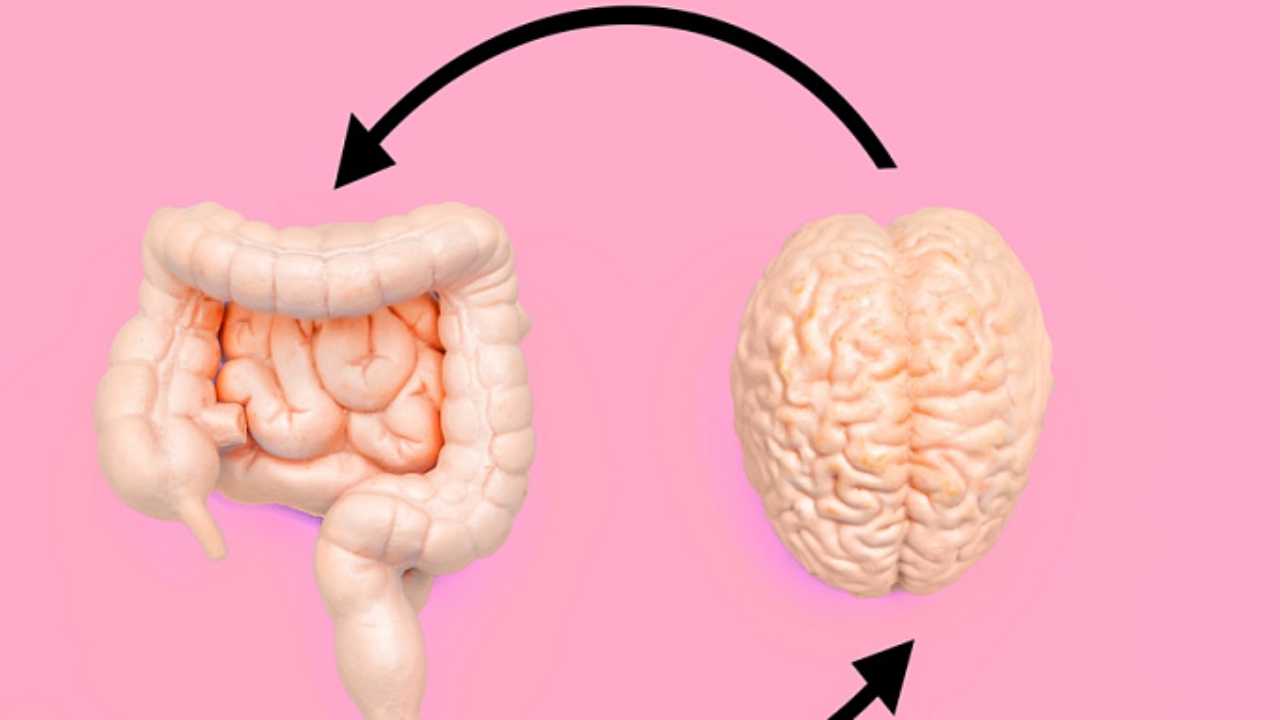 Photo Author: internist.ru
An international team of researchers has identified a direct link between psychological stress and gastrointestinal tract disorders, Kursiv.kz reports. According to scientific data, stomach pain before an exam or nausea during emotional stress is not a temporary reaction, but a complex pathological condition affecting nearly 42 percent of the global population.
According to Agatha Mulak, a professor of gastroenterology, symptoms of bloating and abdominal pain are not solely psychological in nature. These disorders develop as a result of the mutual interaction of biological factors, depressive states, and a person's functions within their social environment. Currently, disorders of the gut-brain interaction are recognized as one of the most common clinical problems in the field of gastroenterology.
In modern medicine, the gut is considered not just a digestive organ, but an active system involved in regulating the functions of the entire body. This process involves the nervous and hormonal systems, immune cells, as well as the gut microbiota, which consists of billions of microorganisms inhabiting the gastrointestinal tract.
Professor Mulak explains that chronic stress disrupts the neurohumoral connection between the brain and the gastrointestinal tract, negatively affecting gut motility, visceral hypersensitivity, and intestinal barrier permeability. Long-term psychological pressure alters the composition of the gut microflora and intensifies inflammatory processes, leading to a decline in patients' quality of life.
Furthermore, the study highlights the importance of socio-cultural factors. Excessive workload, chronic financial instability, lack of social support, or a feeling of isolation from society are key determinants that increase stress levels. The existence of social taboos regarding the open discussion of gastrointestinal tract problems in various cultures prevents patients from seeking timely medical assistance.
According to previous large-scale studies, it was determined that even a single course of antibiotics can preserve changes in the composition of the gut microflora for up to 8 years, exerting a long-term impact on the body's functioning.

Last news
-
Kazakhstan to Launch QR-Code System for Free Prescription Medications
22 hours ago
-
Erlan Koshanov Chairs Inaugural Presidium Session of the People's Council of Kazakhstan
1 day ago
-
President Tokayev Receives World No. 1 Tennis Player Elena Rybakina
4 days ago
-
MRI Study: Nighttime Light Exposure and Screen Glow Increase Risk of Heart Disease
4 days ago
-
Disqualification Controversy at Asian Games: Kazakhstani Athlete Stripped of Gold Medal Over Footwear Violation
4 days ago
-
Earthquake Felt in Almaty as Tremors Reach Up to 4 Magnitude
4 days ago
-
Why Did the Casualty Figure Change from 19 to 17? Defense Ministry Clarifies Status of Two Sailors
4 days ago
-
Official Bank Account Opened for Public Contributions to Families of Deceased Servicemen
1 week ago
-
Search Operation Concludes in the Caspian: Bodies of Final Two Servicemen Recovered
1 week ago
-
Suspects Identified in Mangystau Military Tragedy: Over 30 Witnesses Interrogated
1 week ago
-
Over 250 Personnel Mobilized in Search for Two Missing Servicemen in the Caspian Sea
1 week ago
-
Investigation Launched Under Two Criminal Articles Following Fatal Caspian Military Exercise
1 week ago
-
Kazakhstan Declares National Day of Mourning Following Caspian Sea Military Tragedy
1 week ago
-
Court Overturns White House Ban on Journalists
1 week ago
-
Xi Jinping Arrives in the US: Trump Personally Welcomes Him at the Airport
1 week ago
-
Rome’s Colosseum Temporarily Closed Following Fatal Workplace Accident
1 week ago
-
Has AI Gone Out of Control: Popular Agent Breaches Government Secret Files
1 week ago
-
Tennis Star Aryna Sabalenka Hits the Runway for Gucci at Milan Fashion Week
1 week ago
-
Over 200 Illegally Transported iPhone 18s Intercepted at Astana Airport
1 week ago
-
Where Is the Vaccine: Why Kazakhstanis Are Unable to Get Flu Shots
1 week ago
-
All Rental Bikes in Astana to Be Locked Starting October 1
1 week ago
-
South Korea Bans Entrance Exams for Preschools
1 week ago
-
Tokayev Convenes Inaugural Session of the People's Council of Kazakhstan
1 week ago
-
Tokayev Convenes Inaugural Session of the People's Council of Kazakhstan
1 week ago
-
Tokayev Convenes Inaugural Session of the People's Council of Kazakhstan
1 week ago
-
Major US News Outlets File Lawsuit Against Donald Trump
1 week ago
-
US May Allocate $5 Billion for Middle East Reconstruction Following Iran Conflict
1 week ago
-
WBC Champion Carlos Adames Challenges Janibek Alimkhanuly, Bringing Up Past Doping Controversy
1 week ago
-
Rising Costs Push Trump’s Approval Rating to a Record Low of 32 Percent
1 week ago
-
US Dollar Exchange Rate on September 22: Currency Prices in Kazakhstan
1 week ago
-
Is It a New Virus or Seasonal Illness? Over 51,000 Cases of ARVI Registered in Kazakhstan Since Early September
2 weeks ago
-
Crackdown on Fake Registrations: Almaty Introduces New Residential Space Limits for Residency Registration
2 weeks ago
-
"Go Die in Your Own Country": Thai Prime Minister Sparks Controversy with Harsh Warning to Foreigners
2 weeks ago
-
Apple Fans Surprised as Official Prices for the New iPhone 18 Pro in Kazakhstan Are Revealed
2 weeks ago
-
Hidden Dangers of Beauty Products: L’Oreal Facing Cancer Risk Allegations
2 weeks ago
-
Important Update for Kazakhstani Travelers: New Thailand Entry Rules Take Effect September 15
2 weeks ago
-
Elena Rybakina Officially Becomes World No. 1
2 weeks ago
-
President Tokayev Arrives in South Korea for an Official State Visit
2 weeks ago
-
25 Years Since September 11: The Attacks That Changed the World
3 weeks ago
-
Binance Set to Offer Banking-Style Services in Kazakhstan
3 weeks ago
-
Risk of AI Extinction Exceeds 10%, Experts Warn
3 weeks ago
-
Why Kazakhstan’s Unified QR Payment System Isn't Fully Operational Everywhere Yet
3 weeks ago
-
US Authorities to Tighten Visa Requirements for Foreign Workers
3 weeks ago
-
Nearly 200 Kazakh Students Stranded in Los Angeles After Travel Agency Failure
3 weeks ago
-
Elena Rybakina Reaches US Open Final
3 weeks ago
-
New Tick-Borne Virus Identified in China
3 weeks ago
-
Tokayev Congratulates Elena Rybakina on Reaching World No. 1 Ranking
3 weeks ago
-
Why Graduates of "In-Demand" Vocational Trades Face Unemployment in Kazakhstan
3 weeks ago
-
Kazakhstan and China Agree on Mutual Recognition of Driving Licenses
3 weeks ago
-
Education Minister Zhuldyz Suleimenova Addresses Parents Disrupting Teachers' Off-Hours
3 weeks ago