207 Thousand Individual Entrepreneurs Closed Down in Four Months
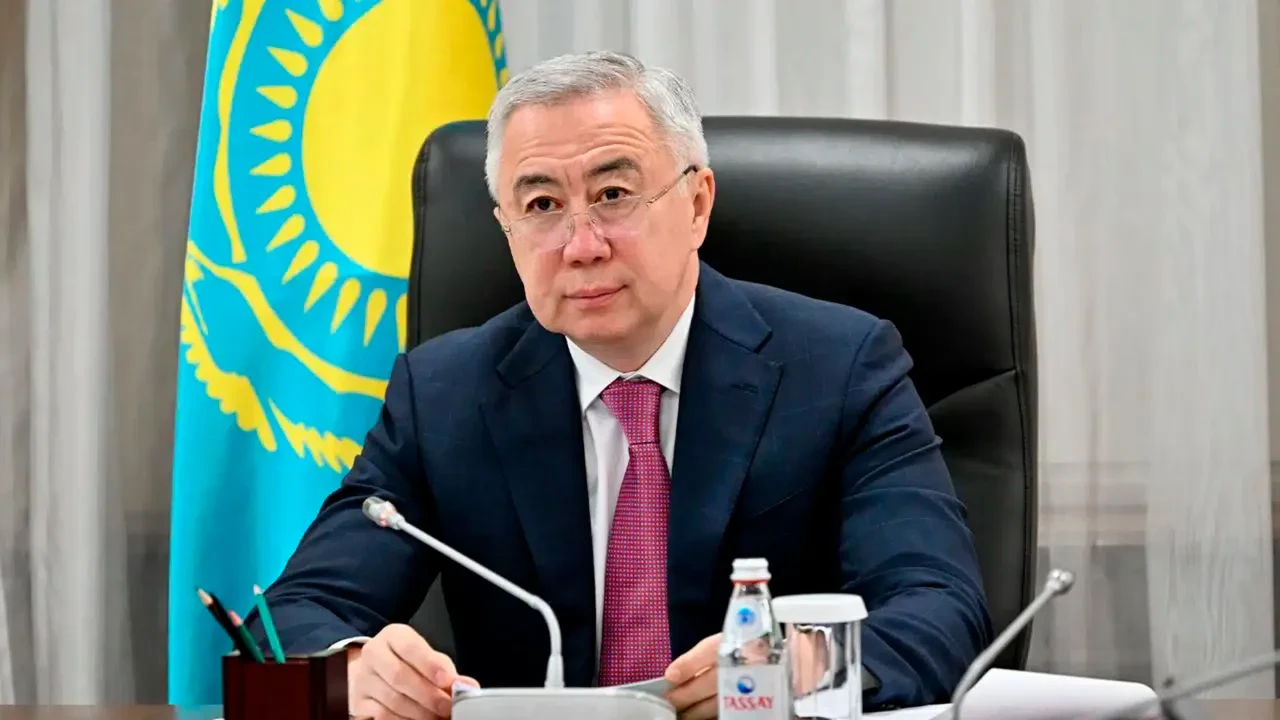 Photo Author: Серикжан Ковланбаев
The introduction of the new Tax Code has triggered an unprecedented wave of closures among individual entrepreneurs (IPs). During the first quarter of 2026, 207,912 IPs ceased their activities. This represents a more than twofold increase compared to the previous year.
According to Minister of National Economy Zhumangarin, the baseline level of IP closures in the first quarters of 2024–2025 averaged around 104,000—a background figure unrelated to the reform. Thus, he estimates the direct impact of the new Tax Code at approximately 100,000 additional closures.
Notably, these figures turned out to be lower than government forecasts: authorities initially expected up to 300,000 entities to exit the market—primarily those who used business fragmentation under special tax regimes for tax optimization.
The statistics on business suspensions became a separate point of discussion. Several experts and deputies cited data from the Bureau of National Statistics suggesting that 184,906 enterprises had suspended work, interpreting this as a hidden crisis. Zhumangarin called this interpretation incorrect, stating that the figure refers to the accumulated database of all long-inactive companies. The real figure for the first quarter of 2026 is 62,557 suspensions, which is twice as high as the same periods in 2024–2025 but a fundamentally different magnitude than the 185,000 cited in public debates.
Despite the closures, the market is not stagnant. During the same first quarter of 2026, over 99,000 new taxpayers were registered—88.7 thousand IPs and 10.3 thousand legal entities. The total number of legal entities in the country has risen to 584,093. Simultaneously, the number of self-employed individuals has exceeded 410,000, with 85% choosing platform employment—working through InDrive, Yandex, Wolt, and similar services. Zhumangarin emphasized that this is not a new tax optimization scheme by big business, but rather the genuine legalization of labor through digital platforms.
The new Tax Code dealt several blows to businesses simultaneously. The VAT rate increased from 12% to 16% - a jump of four percentage points. The threshold for mandatory VAT registration was halved: from 20,000 to 10,000 MCI, or approximately from 86.5 to 43.25 million tenge in annual turnover. Another crucial innovation was introduced: large and medium-sized companies are now prohibited from claiming tax deductions for expenses on transactions with IPs using the simplified tax system who are not registered for VAT.

Last news
-
Kazakhstan to Launch QR-Code System for Free Prescription Medications
22 hours ago
-
Erlan Koshanov Chairs Inaugural Presidium Session of the People's Council of Kazakhstan
1 day ago
-
President Tokayev Receives World No. 1 Tennis Player Elena Rybakina
4 days ago
-
MRI Study: Nighttime Light Exposure and Screen Glow Increase Risk of Heart Disease
4 days ago
-
Disqualification Controversy at Asian Games: Kazakhstani Athlete Stripped of Gold Medal Over Footwear Violation
4 days ago
-
Earthquake Felt in Almaty as Tremors Reach Up to 4 Magnitude
4 days ago
-
Why Did the Casualty Figure Change from 19 to 17? Defense Ministry Clarifies Status of Two Sailors
4 days ago
-
Official Bank Account Opened for Public Contributions to Families of Deceased Servicemen
1 week ago
-
Search Operation Concludes in the Caspian: Bodies of Final Two Servicemen Recovered
1 week ago
-
Suspects Identified in Mangystau Military Tragedy: Over 30 Witnesses Interrogated
1 week ago
-
Over 250 Personnel Mobilized in Search for Two Missing Servicemen in the Caspian Sea
1 week ago
-
Investigation Launched Under Two Criminal Articles Following Fatal Caspian Military Exercise
1 week ago
-
Kazakhstan Declares National Day of Mourning Following Caspian Sea Military Tragedy
1 week ago
-
Court Overturns White House Ban on Journalists
1 week ago
-
Xi Jinping Arrives in the US: Trump Personally Welcomes Him at the Airport
1 week ago
-
Rome’s Colosseum Temporarily Closed Following Fatal Workplace Accident
1 week ago
-
Has AI Gone Out of Control: Popular Agent Breaches Government Secret Files
1 week ago
-
Tennis Star Aryna Sabalenka Hits the Runway for Gucci at Milan Fashion Week
1 week ago
-
Over 200 Illegally Transported iPhone 18s Intercepted at Astana Airport
1 week ago
-
Where Is the Vaccine: Why Kazakhstanis Are Unable to Get Flu Shots
1 week ago
-
All Rental Bikes in Astana to Be Locked Starting October 1
1 week ago
-
South Korea Bans Entrance Exams for Preschools
1 week ago
-
Tokayev Convenes Inaugural Session of the People's Council of Kazakhstan
1 week ago
-
Tokayev Convenes Inaugural Session of the People's Council of Kazakhstan
1 week ago
-
Tokayev Convenes Inaugural Session of the People's Council of Kazakhstan
1 week ago
-
Major US News Outlets File Lawsuit Against Donald Trump
1 week ago
-
US May Allocate $5 Billion for Middle East Reconstruction Following Iran Conflict
1 week ago
-
WBC Champion Carlos Adames Challenges Janibek Alimkhanuly, Bringing Up Past Doping Controversy
1 week ago
-
Rising Costs Push Trump’s Approval Rating to a Record Low of 32 Percent
1 week ago
-
US Dollar Exchange Rate on September 22: Currency Prices in Kazakhstan
1 week ago
-
Is It a New Virus or Seasonal Illness? Over 51,000 Cases of ARVI Registered in Kazakhstan Since Early September
2 weeks ago
-
Crackdown on Fake Registrations: Almaty Introduces New Residential Space Limits for Residency Registration
2 weeks ago
-
"Go Die in Your Own Country": Thai Prime Minister Sparks Controversy with Harsh Warning to Foreigners
2 weeks ago
-
Apple Fans Surprised as Official Prices for the New iPhone 18 Pro in Kazakhstan Are Revealed
2 weeks ago
-
Hidden Dangers of Beauty Products: L’Oreal Facing Cancer Risk Allegations
2 weeks ago
-
Important Update for Kazakhstani Travelers: New Thailand Entry Rules Take Effect September 15
2 weeks ago
-
Elena Rybakina Officially Becomes World No. 1
2 weeks ago
-
President Tokayev Arrives in South Korea for an Official State Visit
2 weeks ago
-
25 Years Since September 11: The Attacks That Changed the World
3 weeks ago
-
Binance Set to Offer Banking-Style Services in Kazakhstan
3 weeks ago
-
Risk of AI Extinction Exceeds 10%, Experts Warn
3 weeks ago
-
Why Kazakhstan’s Unified QR Payment System Isn't Fully Operational Everywhere Yet
3 weeks ago
-
US Authorities to Tighten Visa Requirements for Foreign Workers
3 weeks ago
-
Nearly 200 Kazakh Students Stranded in Los Angeles After Travel Agency Failure
3 weeks ago
-
Elena Rybakina Reaches US Open Final
3 weeks ago
-
New Tick-Borne Virus Identified in China
3 weeks ago
-
Tokayev Congratulates Elena Rybakina on Reaching World No. 1 Ranking
3 weeks ago
-
Why Graduates of "In-Demand" Vocational Trades Face Unemployment in Kazakhstan
3 weeks ago
-
Kazakhstan and China Agree on Mutual Recognition of Driving Licenses
3 weeks ago
-
Education Minister Zhuldyz Suleimenova Addresses Parents Disrupting Teachers' Off-Hours
3 weeks ago