EU Steps Up Visa Restrictions for Russian Citizens Amid Safety Concerns
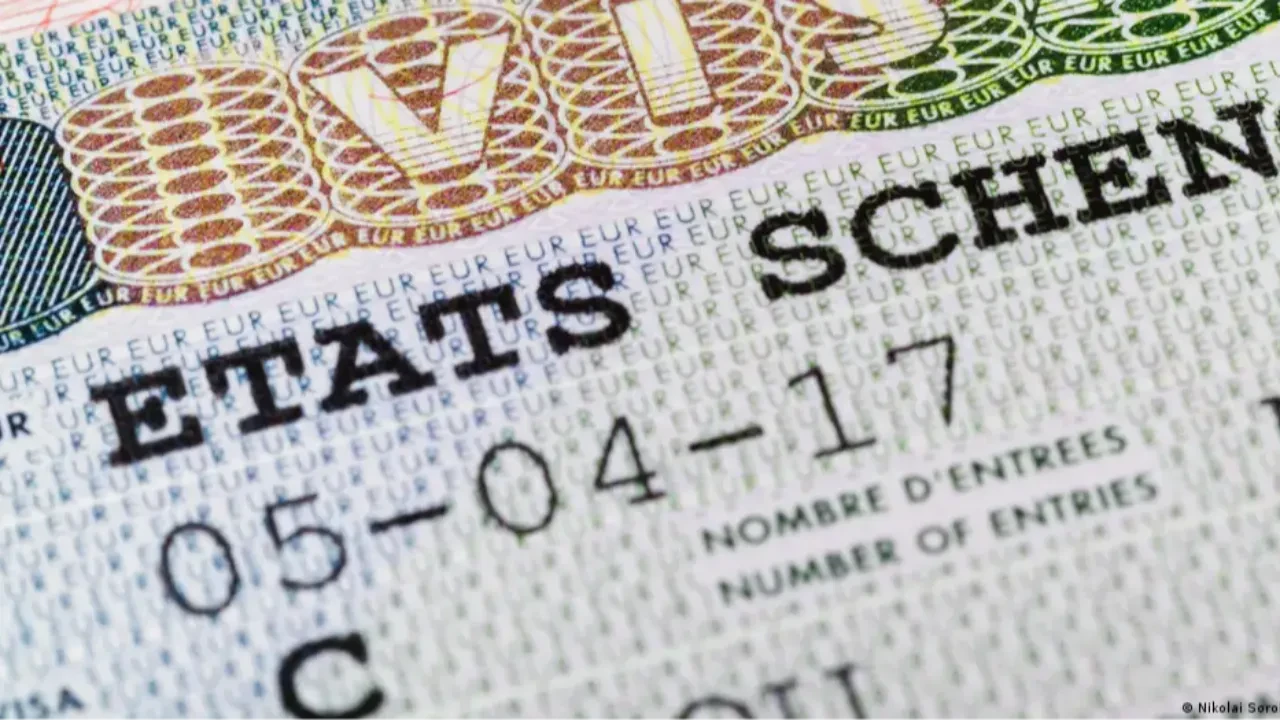 Photo Author: Nikolai Sorokin/Zoonar/picture alliance
The European Union has commenced talks on implementing stricter visa measures for citizens of the Russian Federation. While a complete border closure has not been enacted, EU leadership is focusing on three main areas: reducing tourist visas, restricting the movement of Russian diplomats, and imposing an entry ban on individuals involved in military operations in Ukraine.
High Representative of the EU for Foreign Affairs and Security Policy, Kaja Kallas, announced during the Foreign Affairs Council meeting that these updates aim to mitigate internal security risks across member states.
Finland has taken one of the most assertive stances on the issue. Finnish Foreign Minister Elina Valtonen advocated for a total suspension of tourist visas for Russians until the conflict in Ukraine concludes. According to statistical data, Schengen member nations issued roughly 500,000 tourist visas to Russian nationals in 2025.
Currently, a bloc of 11 countries - including Finland, the Baltic states, Poland, the Czech Republic, and Northern European nations - is advocating for unified visa requirements. However, due to economic interests in certain member countries, experts are evaluating alternative mechanisms rather than a blanket ban. These include capping visa quotas and issuing Limited Territorial Validity (LTV) visas valid only within specific host countries.
A political consensus has already been reached regarding a complete entry ban on current and former Russian military personnel who participated in hostilities in Ukraine. The regulatory framework for this ban is anchored in the 21st sanctions package. Work is underway to establish unified verification systems for consular offices and border guards to confirm military involvement.
Additionally, new measures under review would restrict the movement of Russian diplomats within the Schengen Zone. Instead of simply notifying host countries prior to travel, diplomats may soon be required to obtain formal advance authorization.
The EU previously suspended its visa facilitation agreement with Russia in September 2022. By November 2025, the European Commission imposed restrictions on multiple-entry visas. Consequently, while multiple-entry visas accounted for 57% of all issued visas at the beginning of 2025, that figure dropped sharply to 12% by December.

Last news
-
Over 30,000 Kazakhstani Women May Lose Childcare Allowance Under Proposed 2027 Reforms
1 day ago
-
EU Steps Up Visa Restrictions for Russian Citizens Amid Safety Concerns
1 day ago
-
Public Transport Fare Hike Approved in Astana: Key Changes for Passengers
1 day ago
-
Calls to Lower the Retirement Age for Women Reemerge in Kazakhstan
3 days ago
-
Proposed Changes to Driving License Requirements in Kazakhstan: 5 Key Updates
3 days ago
-
Russia to Direct Women Reluctant to Have Children to Mandatory Psychological Counseling
3 days ago
-
InDrive Warned After Taxi Fares Nearly Triple During Yandex Go Outage
3 days ago
-
Kazakhstan Issues Travel Advisory to Saudi Arabia Amid Houthi Attacks
3 days ago
-
Beating the "TikTok Mentality": Tokayev Unveils Bold Plan to Counter Digital Distractions
1 week ago
-
Nepal Disaster Update: Previously Missing Kazakhstani Located Safe at Home
1 week ago
-
Public Initiatives Development Committee Under the People's Assembly of Kazakhstan Holds Inaugural Meeting
1 week ago
-
Kuryltai Calls on IT Experts to Submit AI Proposals
1 week ago
-
US Proposed Rule Could Charge Foreign Students $100,000 for Optional Practical Training
1 week ago
-
Kazakh Foreign Ministry Denies Reports of Immediate Repatriation for 14 Citizens from Conflict Zone
1 week ago
-
Meta Launches Muse Gadgets Platform to Expand Muse AI Beyond Standard Chatbots
1 week ago
-
Kazakhstan to Withhold Certain Social Benefits from Wealthy Citizens Starting 2027: Government Approves Official List
1 week ago
-
WHO Advocates Lifestyle-First Approach to Combat Childhood Obesity Without Drugs or Surgery
1 week ago
-
Proposal Introduced to Preserve Essential Living Funds for Debtors with Blocked Accounts in Kazakhstan
1 week ago
-
Student Bank Cards to Face Monitoring: Crucial Initiative Introduced in Kazakh Parliament
1 week ago
-
Controlling Brain Activity with Light: Laureates Announced for Nobel Prize in Medicine
1 week ago
-
WHO Evaluates Plague Transmission Risk Following Death of Siberian Lab Worker
1 week ago
-
Trump Asserts Ukraine Conflict Is Nearing Its Final Resolution
1 week ago
-
Car Dealership Head Jailed Over KZT 128 Million Fraud Scheme in Astana
1 week ago
-
Ex-Commander of Kazakhstan Naval Forces Arrested Following Fatal Caspian Exercise
1 week ago
-
Digital Traffic Control System Piloted to Relieve Highway Congestion in Kazakh Cities
1 week ago
-
Kazakhstan Issues Urgent Road Safety Warning
1 week ago
-
Tragedy in East Kazakhstan: Verbal Warning at Cafe Leads to Fatal Attack on Officer
1 week ago
-
Five Vehicles Destroyed in Parking Lot Fire in Astana
1 week ago
-
Tokayev Briefed on Military Audit: Five Officials Arrested Following Mangystau Tragedy
1 week ago
-
Unscheduled Audit Launched at Ministry of Defense: 48 Military Units to Be Inspected
1 week ago
-
Up to 500 Schools in France Close Amid Student Protests
1 week ago
-
2026 Asian Games Conclude: Kazakhstan Ranks Eighth Overall
1 week ago
-
Kazakhstan Health Ministry Monitors Epidemiological Situation Following Plague Scare in Irkutsk
1 week ago
-
Astana Bus Fares May Increase to 150 Tenge
1 week ago
-
Kazakhstan Appoints New Chief of the General Staff of the Armed Forces
1 week ago
-
Kazakhstan to Launch QR-Code System for Free Prescription Medications
2 weeks ago
-
Erlan Koshanov Chairs Inaugural Presidium Session of the People's Council of Kazakhstan
2 weeks ago
-
President Tokayev Receives World No. 1 Tennis Player Elena Rybakina
2 weeks ago
-
MRI Study: Nighttime Light Exposure and Screen Glow Increase Risk of Heart Disease
2 weeks ago
-
Disqualification Controversy at Asian Games: Kazakhstani Athlete Stripped of Gold Medal Over Footwear Violation
2 weeks ago
-
Earthquake Felt in Almaty as Tremors Reach Up to 4 Magnitude
2 weeks ago
-
Why Did the Casualty Figure Change from 19 to 17? Defense Ministry Clarifies Status of Two Sailors
2 weeks ago
-
Official Bank Account Opened for Public Contributions to Families of Deceased Servicemen
3 weeks ago
-
Search Operation Concludes in the Caspian: Bodies of Final Two Servicemen Recovered
3 weeks ago
-
Suspects Identified in Mangystau Military Tragedy: Over 30 Witnesses Interrogated
3 weeks ago
-
Over 250 Personnel Mobilized in Search for Two Missing Servicemen in the Caspian Sea
3 weeks ago
-
Investigation Launched Under Two Criminal Articles Following Fatal Caspian Military Exercise
3 weeks ago
-
Kazakhstan Declares National Day of Mourning Following Caspian Sea Military Tragedy
3 weeks ago
-
Court Overturns White House Ban on Journalists
3 weeks ago
-
Xi Jinping Arrives in the US: Trump Personally Welcomes Him at the Airport
3 weeks ago