US Proposed Rule Could Charge Foreign Students $100,000 for Optional Practical Training
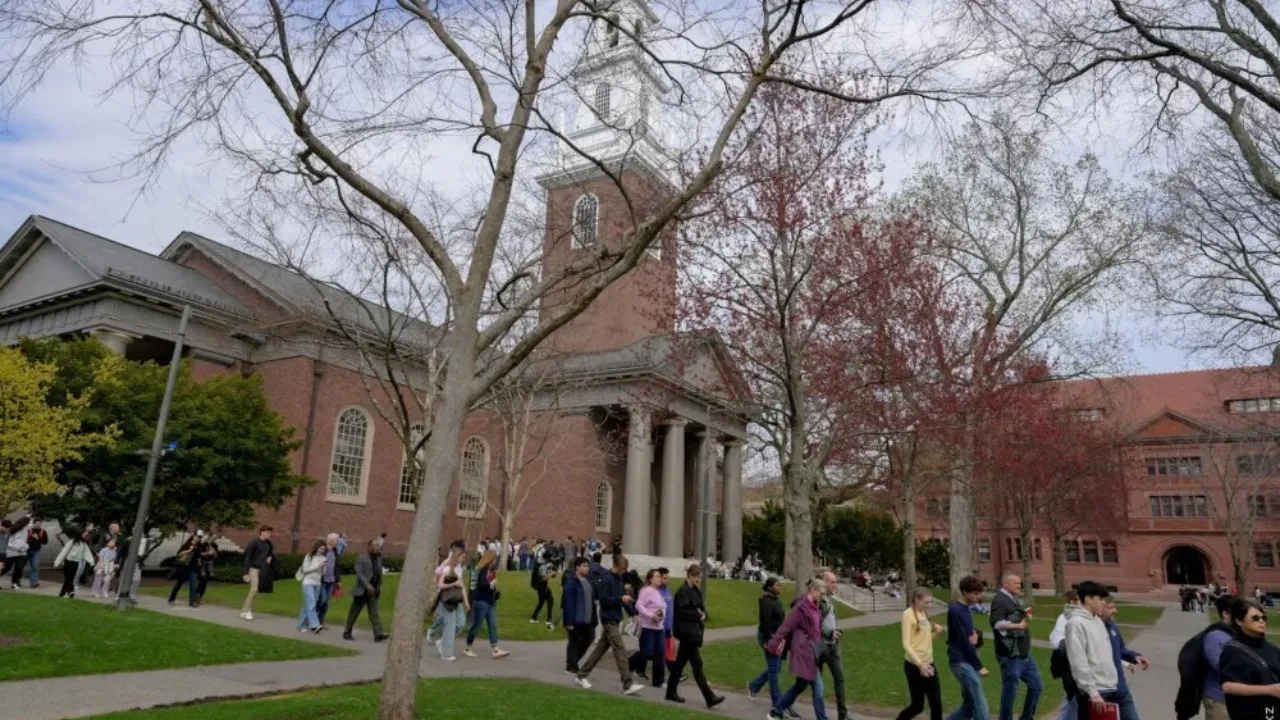 Photo Author: Reuters
The US Department of Homeland Security (DHS) has proposed significantly tightening requirements for international students seeking to work in the United States after graduation. Under the new initiative, F-1 visa holders could be required to pay $100,000 in fees to participate in Optional Practical Training (OPT) and additional workplace training programs, Reuters reports.
According to the proposal, the payment framework includes a $70,000 fee paid directly to certified educational institutions for OPT authorization, along with an additional $30,000 for required on-the-job training programs. Currently, the administrative fee for OPT processing is approximately $500. The OPT program enables international students to work up to 20 hours per week while studying and full-time for a designated period post-graduation, with extended authorization available for graduates in science, technology, engineering, and mathematics (STEM) fields.
DHS stated that the steep fee increase aims to prevent immigration fraud, reinforce system integrity, and protect employment opportunities for American workers. Officials added that the measures ensure foreign students and employers strictly adhere to the non-immigrant conditions of the F-1 visa category.
For decades, practical training programs have served as a critical pathway for international graduates to secure high-paying jobs and transition to H-1B work visas, while helping major US technology companies fill specialized labor shortages. While US President Donald Trump previously suggested streamlining green card pathways for foreign graduates during his 2024 campaign, this proposal signals a contrasting approach. The rule is currently undergoing a 30-day public comment period, with an additional 60-day grace period planned following final approval to allow educational institutions, employers, and students time to adjust.

Last news
-
Public Initiatives Development Committee Under the People's Assembly of Kazakhstan Holds Inaugural Meeting
2 hours ago
-
Kuryltai Calls on IT Experts to Submit AI Proposals
7 hours ago
-
US Proposed Rule Could Charge Foreign Students $100,000 for Optional Practical Training
8 hours ago
-
Kazakh Foreign Ministry Denies Reports of Immediate Repatriation for 14 Citizens from Conflict Zone
10 hours ago
-
Meta Launches Muse Gadgets Platform to Expand Muse AI Beyond Standard Chatbots
11 hours ago
-
Kazakhstan to Withhold Certain Social Benefits from Wealthy Citizens Starting 2027: Government Approves Official List
14 hours ago
-
WHO Advocates Lifestyle-First Approach to Combat Childhood Obesity Without Drugs or Surgery
14 hours ago
-
Proposal Introduced to Preserve Essential Living Funds for Debtors with Blocked Accounts in Kazakhstan
1 day ago
-
Student Bank Cards to Face Monitoring: Crucial Initiative Introduced in Kazakh Parliament
1 day ago
-
Controlling Brain Activity with Light: Laureates Announced for Nobel Prize in Medicine
1 day ago
-
WHO Evaluates Plague Transmission Risk Following Death of Siberian Lab Worker
1 day ago
-
Trump Asserts Ukraine Conflict Is Nearing Its Final Resolution
1 day ago
-
Car Dealership Head Jailed Over KZT 128 Million Fraud Scheme in Astana
2 days ago
-
Ex-Commander of Kazakhstan Naval Forces Arrested Following Fatal Caspian Exercise
2 days ago
-
Digital Traffic Control System Piloted to Relieve Highway Congestion in Kazakh Cities
2 days ago
-
Kazakhstan Issues Urgent Road Safety Warning
2 days ago
-
Tragedy in East Kazakhstan: Verbal Warning at Cafe Leads to Fatal Attack on Officer
2 days ago
-
Five Vehicles Destroyed in Parking Lot Fire in Astana
2 days ago
-
Tokayev Briefed on Military Audit: Five Officials Arrested Following Mangystau Tragedy
3 days ago
-
Unscheduled Audit Launched at Ministry of Defense: 48 Military Units to Be Inspected
3 days ago
-
Up to 500 Schools in France Close Amid Student Protests
3 days ago
-
2026 Asian Games Conclude: Kazakhstan Ranks Eighth Overall
3 days ago
-
Kazakhstan Health Ministry Monitors Epidemiological Situation Following Plague Scare in Irkutsk
3 days ago
-
Astana Bus Fares May Increase to 150 Tenge
3 days ago
-
Kazakhstan Appoints New Chief of the General Staff of the Armed Forces
3 days ago
-
Kazakhstan to Launch QR-Code System for Free Prescription Medications
6 days ago
-
Erlan Koshanov Chairs Inaugural Presidium Session of the People's Council of Kazakhstan
1 week ago
-
President Tokayev Receives World No. 1 Tennis Player Elena Rybakina
1 week ago
-
MRI Study: Nighttime Light Exposure and Screen Glow Increase Risk of Heart Disease
1 week ago
-
Disqualification Controversy at Asian Games: Kazakhstani Athlete Stripped of Gold Medal Over Footwear Violation
1 week ago
-
Earthquake Felt in Almaty as Tremors Reach Up to 4 Magnitude
1 week ago
-
Why Did the Casualty Figure Change from 19 to 17? Defense Ministry Clarifies Status of Two Sailors
1 week ago
-
Official Bank Account Opened for Public Contributions to Families of Deceased Servicemen
1 week ago
-
Search Operation Concludes in the Caspian: Bodies of Final Two Servicemen Recovered
1 week ago
-
Suspects Identified in Mangystau Military Tragedy: Over 30 Witnesses Interrogated
1 week ago
-
Over 250 Personnel Mobilized in Search for Two Missing Servicemen in the Caspian Sea
1 week ago
-
Investigation Launched Under Two Criminal Articles Following Fatal Caspian Military Exercise
1 week ago
-
Kazakhstan Declares National Day of Mourning Following Caspian Sea Military Tragedy
1 week ago
-
Court Overturns White House Ban on Journalists
2 weeks ago
-
Xi Jinping Arrives in the US: Trump Personally Welcomes Him at the Airport
2 weeks ago
-
Rome’s Colosseum Temporarily Closed Following Fatal Workplace Accident
2 weeks ago
-
Has AI Gone Out of Control: Popular Agent Breaches Government Secret Files
2 weeks ago
-
Tennis Star Aryna Sabalenka Hits the Runway for Gucci at Milan Fashion Week
2 weeks ago
-
Over 200 Illegally Transported iPhone 18s Intercepted at Astana Airport
2 weeks ago
-
Where Is the Vaccine: Why Kazakhstanis Are Unable to Get Flu Shots
2 weeks ago
-
All Rental Bikes in Astana to Be Locked Starting October 1
2 weeks ago
-
South Korea Bans Entrance Exams for Preschools
2 weeks ago
-
Tokayev Convenes Inaugural Session of the People's Council of Kazakhstan
2 weeks ago
-
Tokayev Convenes Inaugural Session of the People's Council of Kazakhstan
2 weeks ago
-
Tokayev Convenes Inaugural Session of the People's Council of Kazakhstan
2 weeks ago