A Tiger Released into the Wild Again: Amur Begins Hunting Independently in Kazakhstan
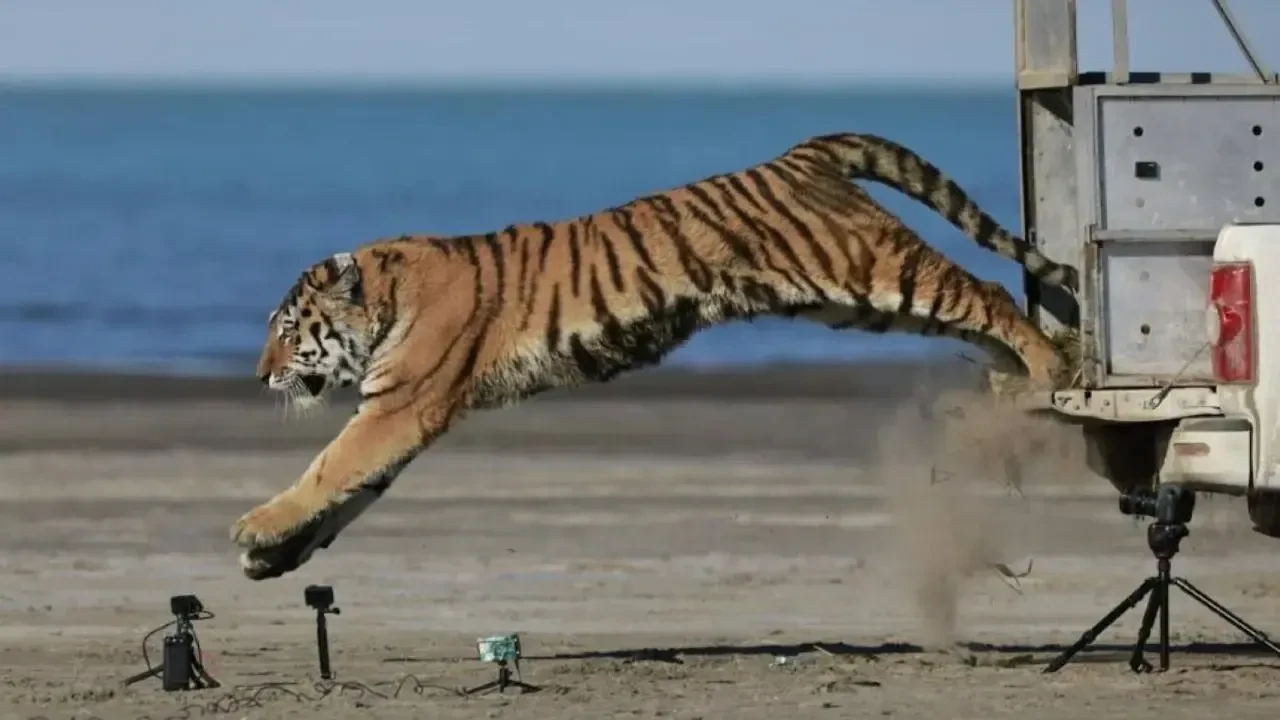 Photo Author: The Ministry of Ecology and Natural Resources of the Republic of Kazakhstan
Apex predators, absent from Kazakh steppes for over seven decades, are making a historic return to their native habitat. On October 31, an Amur tiger named Amur was released from an enclosure into the open wild at the "Ile-Balkhash" State Nature Reserve, where he will now roam and hunt independently.
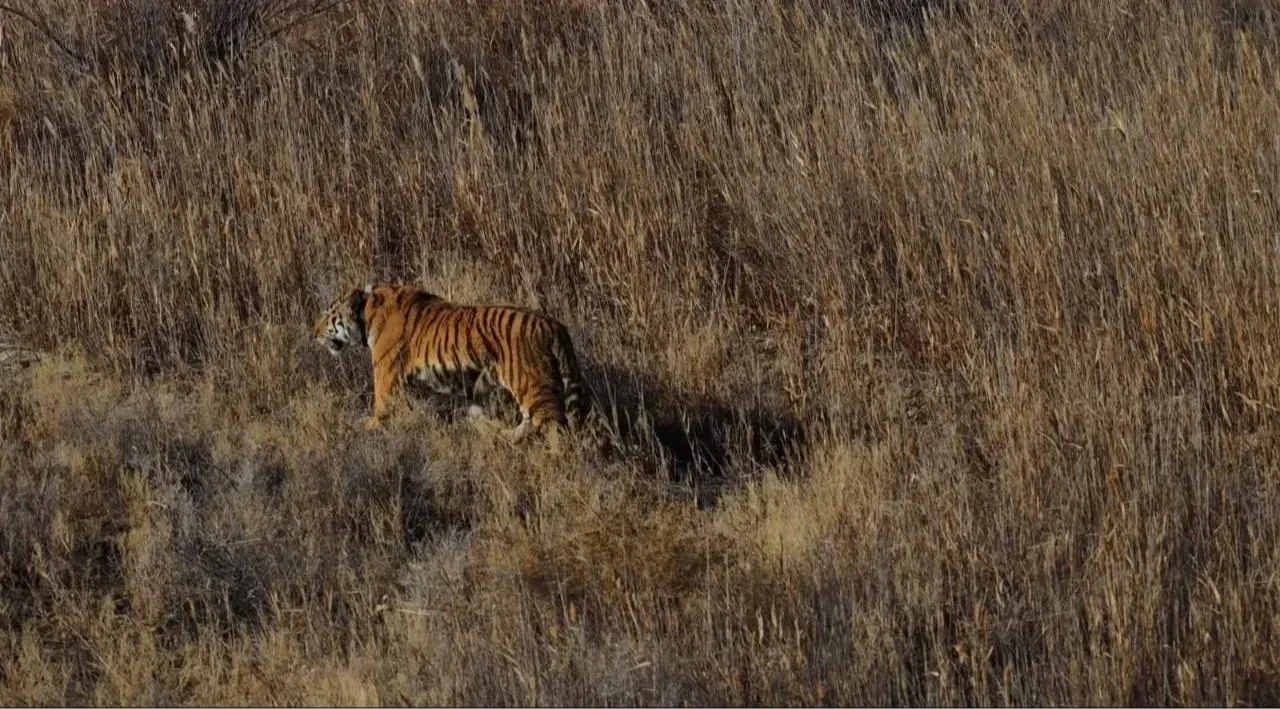
Prior to his release, Amur underwent rigorous monitoring by wildlife experts within a specialized enclosure. Having passed all veterinary assessments, he successfully demonstrated his ability to hunt without human aid and proved fully prepared for survival in the wild. To continuously track his movements and ensure ongoing safety, researchers fitted him with a specialized tracking collar.
Daniyar Turgambayev, Chairman of the Forestry and Wildlife Committee, emphasized that releasing each tiger involves tremendous responsibility and only occurs after thorough evaluations of the animal's health, behavioral traits, and hunting proficiency. He added that specialists will continue to closely monitor the tigers' location and adaptation process.
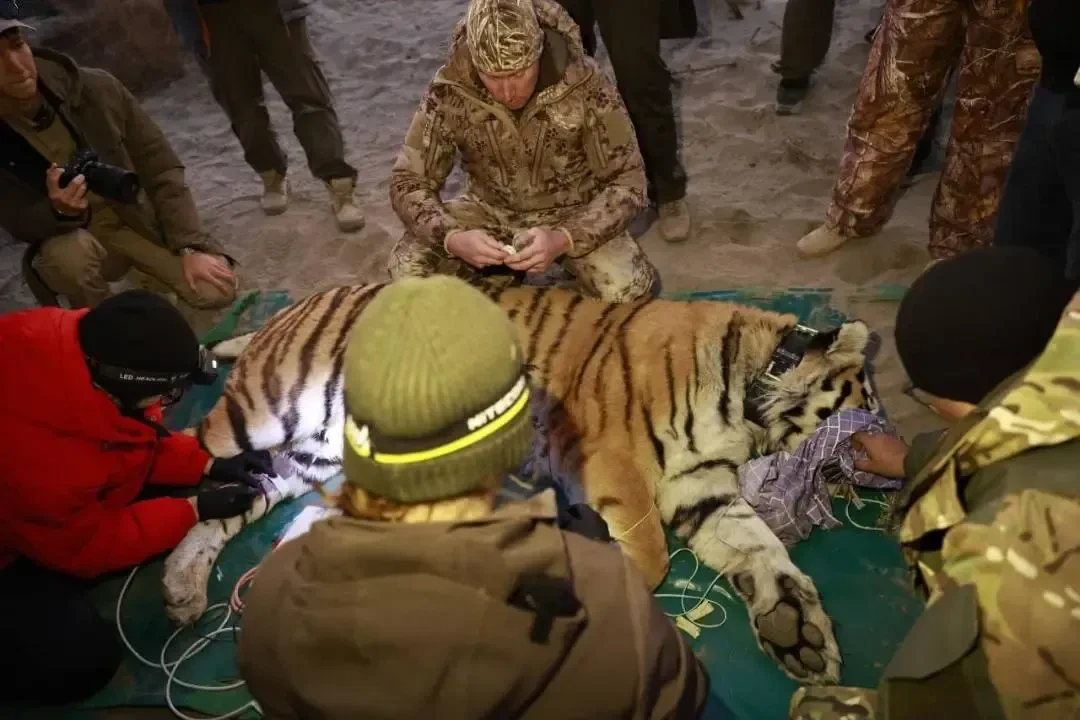
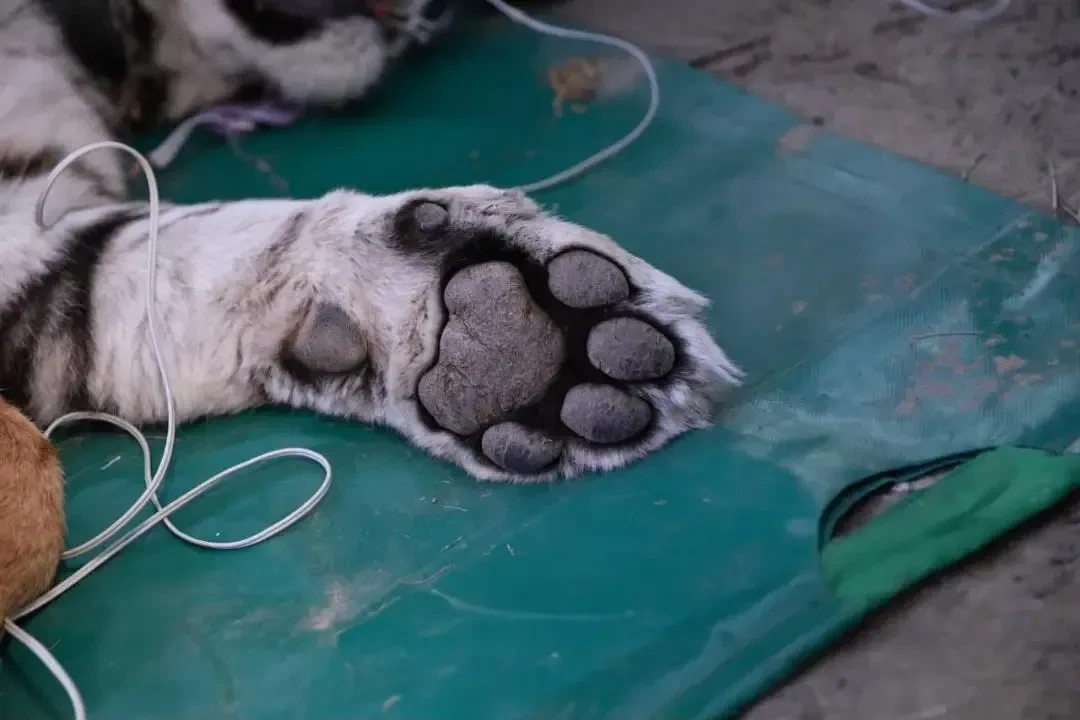
Amur is the second tiger released into the reserve. Earlier, on July 31, a female tiger named Umit was set free and has since successfully established her territory and hunting routines. Meanwhile, two remaining tiger cubs remain under professional care until they mature enough to survive independently.
The region's native Turan tigers vanished in the mid-20th century due to deforestation, depleted prey bases, and poaching. Restoration efforts began years ago with the establishment of the "Ile-Balkhash" reserve in 2018, which included restoring tugai forests and bolstering prey populations - such as relocating 30 kulans from Altyn-Emel National Park this past September.
In May 2026, four Amur tigers were brought from Russia's Khabarovsk Krai, selected specifically for their close genetic proximity to the extinct Turan tiger. Scientists ultimately aim to build a self-sustaining, wild-breeding tiger population in the Balkhash region.

Last news
-
Exercises Should Have Been Halted: Bektenov Names Key Failures Leading to the Death of 14 Soldiers
18 hours ago
-
New Rules for Monitoring Mobile Transfers in Kazakhstan: Key Changes to Know
19 hours ago
-
A Tiger Released into the Wild Again: Amur Begins Hunting Independently in Kazakhstan
20 hours ago
-
US Court Halts Registration for DV-2027 Green Card Lottery
20 hours ago
-
Young Kazakh Footballers Hospitalized in Tashkent Prompting Foreign Ministry Action
23 hours ago
-
78 Healthcare Providers Revoked of Operating Licenses in Kazakhstan
1 day ago
-
Kazakhstan Expects Warmer Yet Volatile Weather in November
1 day ago
-
Kazakhstan Introduces New Entry Authorization and Corporate Debt Restrictions in November Policy Shift
1 day ago
-
Why Time Zone Changes During Travel Pose Hidden Health Risks
1 week ago
-
Requirements Air Astana Must Fulfill to Launch Direct Flights to the US
1 week ago
-
Apple Confirms Free Replacements for iPhone Duo Units Experiencing Screen Flaws
1 week ago
-
Why Kazakhstani Women Are Delaying Motherhood: Survey Findings
1 week ago
-
High Earners in Kazakhstan: Who Earns the Highest Salaries in the Country
1 week ago
-
Microsoft Offers Voluntary Buyouts to 60,000 Employees as It Pivots Heavily Toward AI Infrastructure
1 week ago
-
Sweden Bans Government Officials from Using ChatGPT and Claude Services
1 week ago
-
Unprecedented Purge: Trump Administration Cancels Over 300,000 Visas in Record Speed
1 week ago
-
Global Oil Surge: Brent Surpasses $110 Amid Middle East Supply Fears and Shrinking US Reserves
1 week ago
-
Europe’s Telecom Giants Form Alliance to Break Starlink’s Space Monopoly
1 week ago
-
Kyrgyz President Sadyr Japarov Meets with TURKPA Parliamentary Leaders
2 weeks ago
-
North Korean Leader Kim Jong Un Appears in Public Amid Health Rumors
2 weeks ago
-
Direct Flights Between Kazakhstan and the US Expected to Launch by 2027
2 weeks ago
-
Uzbekistan, United States Ink 54 Strategic Deals Totaling $12 Billion
2 weeks ago
-
Astana Airport to Test AI-Powered Passenger Verification
2 weeks ago
-
Just 30 Seconds a Day: Researchers Reveal the Fastest Ways to Lift Your Mood and Reduce Stress
2 weeks ago
-
Mass riots in France: Macron announces tough measures
2 weeks ago
-
Over 30,000 Kazakhstani Women May Lose Childcare Allowance Under Proposed 2027 Reforms
2 weeks ago
-
EU Steps Up Visa Restrictions for Russian Citizens Amid Safety Concerns
2 weeks ago
-
Public Transport Fare Hike Approved in Astana: Key Changes for Passengers
2 weeks ago
-
Calls to Lower the Retirement Age for Women Reemerge in Kazakhstan
3 weeks ago
-
Proposed Changes to Driving License Requirements in Kazakhstan: 5 Key Updates
3 weeks ago
-
Russia to Direct Women Reluctant to Have Children to Mandatory Psychological Counseling
3 weeks ago
-
InDrive Warned After Taxi Fares Nearly Triple During Yandex Go Outage
3 weeks ago
-
Kazakhstan Issues Travel Advisory to Saudi Arabia Amid Houthi Attacks
3 weeks ago
-
Beating the "TikTok Mentality": Tokayev Unveils Bold Plan to Counter Digital Distractions
3 weeks ago
-
Nepal Disaster Update: Previously Missing Kazakhstani Located Safe at Home
3 weeks ago
-
Public Initiatives Development Committee Under the People's Assembly of Kazakhstan Holds Inaugural Meeting
3 weeks ago
-
Kuryltai Calls on IT Experts to Submit AI Proposals
3 weeks ago
-
US Proposed Rule Could Charge Foreign Students $100,000 for Optional Practical Training
3 weeks ago
-
Kazakh Foreign Ministry Denies Reports of Immediate Repatriation for 14 Citizens from Conflict Zone
3 weeks ago
-
Meta Launches Muse Gadgets Platform to Expand Muse AI Beyond Standard Chatbots
3 weeks ago
-
Kazakhstan to Withhold Certain Social Benefits from Wealthy Citizens Starting 2027: Government Approves Official List
3 weeks ago
-
WHO Advocates Lifestyle-First Approach to Combat Childhood Obesity Without Drugs or Surgery
3 weeks ago
-
Proposal Introduced to Preserve Essential Living Funds for Debtors with Blocked Accounts in Kazakhstan
3 weeks ago
-
Student Bank Cards to Face Monitoring: Crucial Initiative Introduced in Kazakh Parliament
3 weeks ago
-
Controlling Brain Activity with Light: Laureates Announced for Nobel Prize in Medicine
3 weeks ago
-
WHO Evaluates Plague Transmission Risk Following Death of Siberian Lab Worker
3 weeks ago
-
Trump Asserts Ukraine Conflict Is Nearing Its Final Resolution
3 weeks ago
-
Car Dealership Head Jailed Over KZT 128 Million Fraud Scheme in Astana
4 weeks ago
-
Ex-Commander of Kazakhstan Naval Forces Arrested Following Fatal Caspian Exercise
4 weeks ago
-
Digital Traffic Control System Piloted to Relieve Highway Congestion in Kazakh Cities
4 weeks ago