"iCloud Storage Full" Alert: Experts Warn of Sophisticated New Phishing Scam
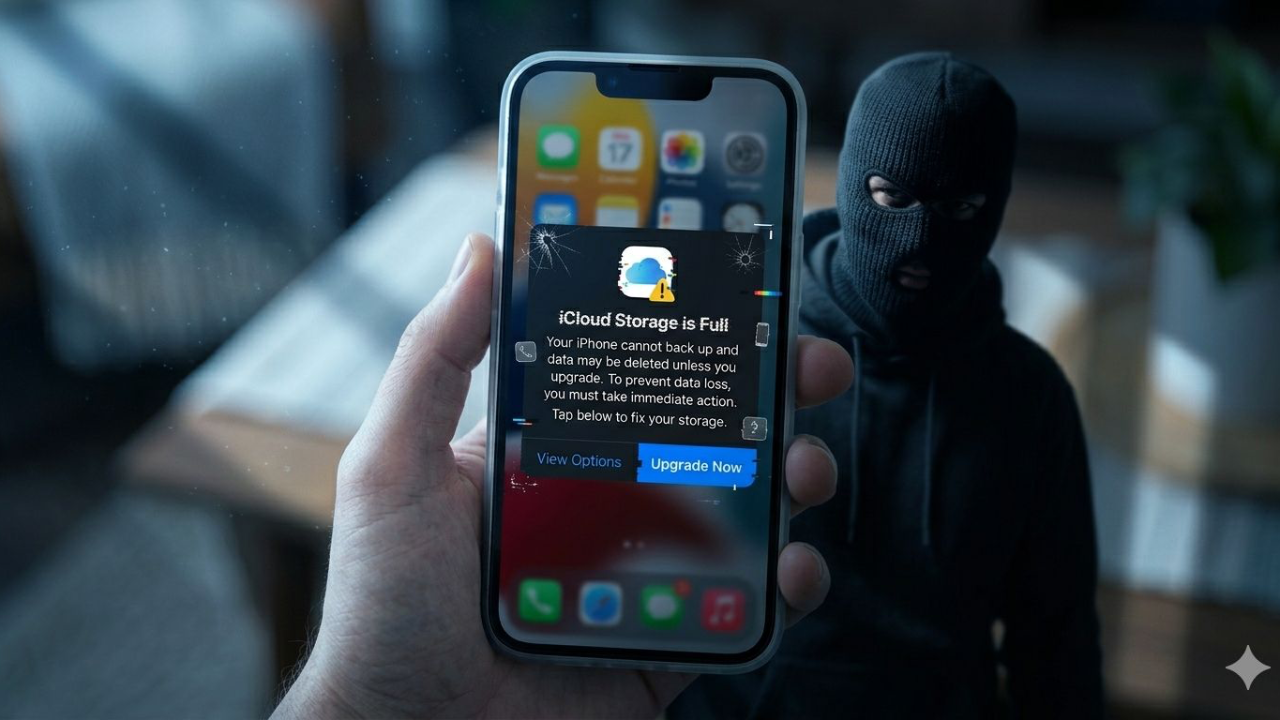 Photo Author: AI generated
Authorities in Kazakhstan have issued an urgent warning regarding a new surge in cybercrime targeting smartphone users. The Committee on Legal Statistics and Special Records under the General Prosecutor's Office has identified a sophisticated phishing scheme designed to exploit iPhone users through fraudulent storage notifications.
Cybercriminals are distributing mass notifications claiming that a user’s iCloud storage is full. These fraudulent alerts are delivered via email, SMS, or third-party messaging applications. To create a sense of urgency, the messages often warn that the account will be suspended or that irreplaceable photos and personal files will be permanently deleted unless immediate action is taken.
Experts emphasize that these alerts are particularly dangerous because they meticulously replicate the visual style and branding of official Apple services. Unsuspecting users who click the provided links are redirected to phishing websites that mirror legitimate login pages. Any credentials entered—including Apple IDs, passwords, and credit card details—are instantly captured by the attackers.
While currently focused on iPhone users, specialists warn that this tactic is being adapted for other cloud-based ecosystems. Similar fraudulent campaigns have been observed impersonating services such as:
• Google Drive
• Yandex Disk
• Mail.ru Cloud
Security experts urge citizens to remain vigilant and follow these essential safety protocols:
• Verify Officially: Always check your storage status directly through the "Settings" menu on your device or via the official service app, rather than clicking external links.
• Avoid Third-Party Links: Never enter personal data or financial information on websites accessed through unsolicited messages.
• Enable MFA: Activate Two-Factor Authentication (2FA) on all sensitive accounts to provide an extra layer of security.
• Password Hygiene: Use unique, complex passwords for every service and update them regularly.
In the event of a suspected security breach, experts advise users to immediately change their passwords, terminate all active sessions, and contact their financial institutions if payment data was exposed.

Last news
-
Kazakhstan to Launch QR-Code System for Free Prescription Medications
21 hours ago
-
Erlan Koshanov Chairs Inaugural Presidium Session of the People's Council of Kazakhstan
1 day ago
-
President Tokayev Receives World No. 1 Tennis Player Elena Rybakina
4 days ago
-
MRI Study: Nighttime Light Exposure and Screen Glow Increase Risk of Heart Disease
4 days ago
-
Disqualification Controversy at Asian Games: Kazakhstani Athlete Stripped of Gold Medal Over Footwear Violation
4 days ago
-
Earthquake Felt in Almaty as Tremors Reach Up to 4 Magnitude
4 days ago
-
Why Did the Casualty Figure Change from 19 to 17? Defense Ministry Clarifies Status of Two Sailors
4 days ago
-
Official Bank Account Opened for Public Contributions to Families of Deceased Servicemen
1 week ago
-
Search Operation Concludes in the Caspian: Bodies of Final Two Servicemen Recovered
1 week ago
-
Suspects Identified in Mangystau Military Tragedy: Over 30 Witnesses Interrogated
1 week ago
-
Over 250 Personnel Mobilized in Search for Two Missing Servicemen in the Caspian Sea
1 week ago
-
Investigation Launched Under Two Criminal Articles Following Fatal Caspian Military Exercise
1 week ago
-
Kazakhstan Declares National Day of Mourning Following Caspian Sea Military Tragedy
1 week ago
-
Court Overturns White House Ban on Journalists
1 week ago
-
Xi Jinping Arrives in the US: Trump Personally Welcomes Him at the Airport
1 week ago
-
Rome’s Colosseum Temporarily Closed Following Fatal Workplace Accident
1 week ago
-
Has AI Gone Out of Control: Popular Agent Breaches Government Secret Files
1 week ago
-
Tennis Star Aryna Sabalenka Hits the Runway for Gucci at Milan Fashion Week
1 week ago
-
Over 200 Illegally Transported iPhone 18s Intercepted at Astana Airport
1 week ago
-
Where Is the Vaccine: Why Kazakhstanis Are Unable to Get Flu Shots
1 week ago
-
All Rental Bikes in Astana to Be Locked Starting October 1
1 week ago
-
South Korea Bans Entrance Exams for Preschools
1 week ago
-
Tokayev Convenes Inaugural Session of the People's Council of Kazakhstan
1 week ago
-
Tokayev Convenes Inaugural Session of the People's Council of Kazakhstan
1 week ago
-
Tokayev Convenes Inaugural Session of the People's Council of Kazakhstan
1 week ago
-
Major US News Outlets File Lawsuit Against Donald Trump
1 week ago
-
US May Allocate $5 Billion for Middle East Reconstruction Following Iran Conflict
1 week ago
-
WBC Champion Carlos Adames Challenges Janibek Alimkhanuly, Bringing Up Past Doping Controversy
1 week ago
-
Rising Costs Push Trump’s Approval Rating to a Record Low of 32 Percent
1 week ago
-
US Dollar Exchange Rate on September 22: Currency Prices in Kazakhstan
1 week ago
-
Is It a New Virus or Seasonal Illness? Over 51,000 Cases of ARVI Registered in Kazakhstan Since Early September
2 weeks ago
-
Crackdown on Fake Registrations: Almaty Introduces New Residential Space Limits for Residency Registration
2 weeks ago
-
"Go Die in Your Own Country": Thai Prime Minister Sparks Controversy with Harsh Warning to Foreigners
2 weeks ago
-
Apple Fans Surprised as Official Prices for the New iPhone 18 Pro in Kazakhstan Are Revealed
2 weeks ago
-
Hidden Dangers of Beauty Products: L’Oreal Facing Cancer Risk Allegations
2 weeks ago
-
Important Update for Kazakhstani Travelers: New Thailand Entry Rules Take Effect September 15
2 weeks ago
-
Elena Rybakina Officially Becomes World No. 1
2 weeks ago
-
President Tokayev Arrives in South Korea for an Official State Visit
2 weeks ago
-
25 Years Since September 11: The Attacks That Changed the World
3 weeks ago
-
Binance Set to Offer Banking-Style Services in Kazakhstan
3 weeks ago
-
Risk of AI Extinction Exceeds 10%, Experts Warn
3 weeks ago
-
Why Kazakhstan’s Unified QR Payment System Isn't Fully Operational Everywhere Yet
3 weeks ago
-
US Authorities to Tighten Visa Requirements for Foreign Workers
3 weeks ago
-
Nearly 200 Kazakh Students Stranded in Los Angeles After Travel Agency Failure
3 weeks ago
-
Elena Rybakina Reaches US Open Final
3 weeks ago
-
New Tick-Borne Virus Identified in China
3 weeks ago
-
Tokayev Congratulates Elena Rybakina on Reaching World No. 1 Ranking
3 weeks ago
-
Why Graduates of "In-Demand" Vocational Trades Face Unemployment in Kazakhstan
3 weeks ago
-
Kazakhstan and China Agree on Mutual Recognition of Driving Licenses
3 weeks ago
-
Education Minister Zhuldyz Suleimenova Addresses Parents Disrupting Teachers' Off-Hours
3 weeks ago