Trump's "Tariff Shock": South Korean Goods to Face 25% Levy
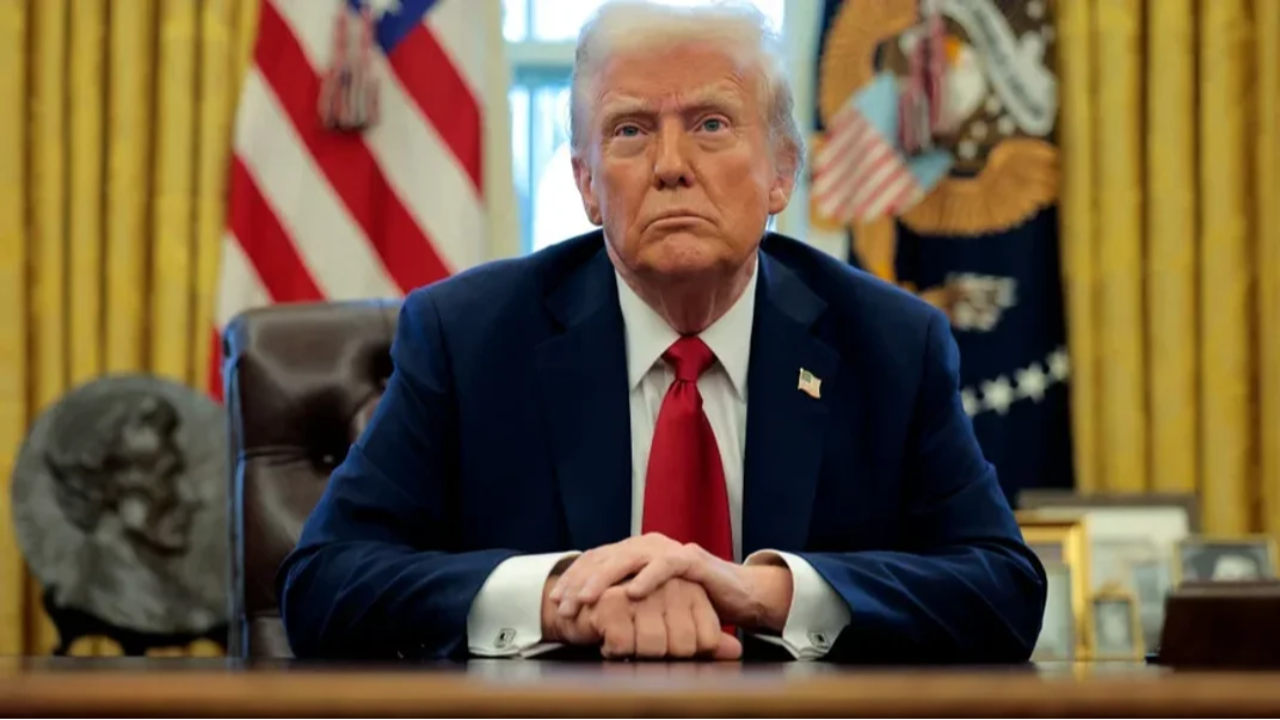 Photo Author: hromadske
President Donald Trump announced on Monday that he is raising tariffs on goods imported from South Korea from 15% to 25%. He cited Seoul's failure to fully implement a bilateral trade agreement as the primary reason for the move, according to CNN.
"Because the Korean Legislature hasn't enacted our Historic Trade Agreement, which is their prerogative, I am hereby increasing South Korean TARIFFS on Autos, Lumber, Pharma, and all other Reciprocal TARIFFS, from 15% to 25%," Trump wrote in a post on his Truth Social platform.
It remains unclear exactly when the new tariffs will take effect. The White House did not immediately respond to CNN's request for comment.
Seoul plans to "respond calmly" and convey "its willingness to fulfill the tariff agreement" to the U.S., presidential spokesperson Kang Yoo-jung said on Tuesday. Currently, South Korean officials are rushing to arrange in-person meetings with the Trump administration. The country’s trade minister has moved up a scheduled U.S. trip to meet with Trade Representative Jamieson Greer in the coming days. Additionally, the industry minister will visit the U.S. to meet with Secretary of Commerce Howard Lutnick once his current visit to Canada concludes.
The news had an immediate impact on the South Korean stock market. The benchmark Kospi index fell by more than 1%, and shares of the country’s automotive giant, Hyundai, plunged by more than 2.2% as of 9:47 a.m. local time.
According to data from the U.S. Commerce Department, South Korea is one of the United States' top sources of foreign goods. In 2024, the country exported $132 billion worth of goods to the U.S., including cars, auto parts, semiconductors, and electronics. The tariff hike could make these products significantly more expensive for American consumers.
In July, Trump had reached an agreement with South Korea that prevented tariffs from jumping from 10% to 25%. However, Trump's ability to impose broad, country-specific tariffs may be influenced by a landmark case currently before the Supreme Court, which will determine whether he has the legal authority to impose such sweeping measures unilaterally.
This announcement follows a series of recent tariff threats from Trump, including a 100% tariff on Canadian goods and a 10% levy on countries opposed to his Greenland ambitions.

Last news
-
Kazakhstan to Launch QR-Code System for Free Prescription Medications
22 hours ago
-
Erlan Koshanov Chairs Inaugural Presidium Session of the People's Council of Kazakhstan
1 day ago
-
President Tokayev Receives World No. 1 Tennis Player Elena Rybakina
4 days ago
-
MRI Study: Nighttime Light Exposure and Screen Glow Increase Risk of Heart Disease
4 days ago
-
Disqualification Controversy at Asian Games: Kazakhstani Athlete Stripped of Gold Medal Over Footwear Violation
4 days ago
-
Earthquake Felt in Almaty as Tremors Reach Up to 4 Magnitude
4 days ago
-
Why Did the Casualty Figure Change from 19 to 17? Defense Ministry Clarifies Status of Two Sailors
4 days ago
-
Official Bank Account Opened for Public Contributions to Families of Deceased Servicemen
1 week ago
-
Search Operation Concludes in the Caspian: Bodies of Final Two Servicemen Recovered
1 week ago
-
Suspects Identified in Mangystau Military Tragedy: Over 30 Witnesses Interrogated
1 week ago
-
Over 250 Personnel Mobilized in Search for Two Missing Servicemen in the Caspian Sea
1 week ago
-
Investigation Launched Under Two Criminal Articles Following Fatal Caspian Military Exercise
1 week ago
-
Kazakhstan Declares National Day of Mourning Following Caspian Sea Military Tragedy
1 week ago
-
Court Overturns White House Ban on Journalists
1 week ago
-
Xi Jinping Arrives in the US: Trump Personally Welcomes Him at the Airport
1 week ago
-
Rome’s Colosseum Temporarily Closed Following Fatal Workplace Accident
1 week ago
-
Has AI Gone Out of Control: Popular Agent Breaches Government Secret Files
1 week ago
-
Tennis Star Aryna Sabalenka Hits the Runway for Gucci at Milan Fashion Week
1 week ago
-
Over 200 Illegally Transported iPhone 18s Intercepted at Astana Airport
1 week ago
-
Where Is the Vaccine: Why Kazakhstanis Are Unable to Get Flu Shots
1 week ago
-
All Rental Bikes in Astana to Be Locked Starting October 1
1 week ago
-
South Korea Bans Entrance Exams for Preschools
1 week ago
-
Tokayev Convenes Inaugural Session of the People's Council of Kazakhstan
1 week ago
-
Tokayev Convenes Inaugural Session of the People's Council of Kazakhstan
1 week ago
-
Tokayev Convenes Inaugural Session of the People's Council of Kazakhstan
1 week ago
-
Major US News Outlets File Lawsuit Against Donald Trump
1 week ago
-
US May Allocate $5 Billion for Middle East Reconstruction Following Iran Conflict
1 week ago
-
WBC Champion Carlos Adames Challenges Janibek Alimkhanuly, Bringing Up Past Doping Controversy
1 week ago
-
Rising Costs Push Trump’s Approval Rating to a Record Low of 32 Percent
1 week ago
-
US Dollar Exchange Rate on September 22: Currency Prices in Kazakhstan
1 week ago
-
Is It a New Virus or Seasonal Illness? Over 51,000 Cases of ARVI Registered in Kazakhstan Since Early September
2 weeks ago
-
Crackdown on Fake Registrations: Almaty Introduces New Residential Space Limits for Residency Registration
2 weeks ago
-
"Go Die in Your Own Country": Thai Prime Minister Sparks Controversy with Harsh Warning to Foreigners
2 weeks ago
-
Apple Fans Surprised as Official Prices for the New iPhone 18 Pro in Kazakhstan Are Revealed
2 weeks ago
-
Hidden Dangers of Beauty Products: L’Oreal Facing Cancer Risk Allegations
2 weeks ago
-
Important Update for Kazakhstani Travelers: New Thailand Entry Rules Take Effect September 15
2 weeks ago
-
Elena Rybakina Officially Becomes World No. 1
2 weeks ago
-
President Tokayev Arrives in South Korea for an Official State Visit
2 weeks ago
-
25 Years Since September 11: The Attacks That Changed the World
3 weeks ago
-
Binance Set to Offer Banking-Style Services in Kazakhstan
3 weeks ago
-
Risk of AI Extinction Exceeds 10%, Experts Warn
3 weeks ago
-
Why Kazakhstan’s Unified QR Payment System Isn't Fully Operational Everywhere Yet
3 weeks ago
-
US Authorities to Tighten Visa Requirements for Foreign Workers
3 weeks ago
-
Nearly 200 Kazakh Students Stranded in Los Angeles After Travel Agency Failure
3 weeks ago
-
Elena Rybakina Reaches US Open Final
3 weeks ago
-
New Tick-Borne Virus Identified in China
3 weeks ago
-
Tokayev Congratulates Elena Rybakina on Reaching World No. 1 Ranking
3 weeks ago
-
Why Graduates of "In-Demand" Vocational Trades Face Unemployment in Kazakhstan
3 weeks ago
-
Kazakhstan and China Agree on Mutual Recognition of Driving Licenses
3 weeks ago
-
Education Minister Zhuldyz Suleimenova Addresses Parents Disrupting Teachers' Off-Hours
3 weeks ago