From School Desk to Farm: Kazakhstan Plans a Formal Path into Agricultural Careers
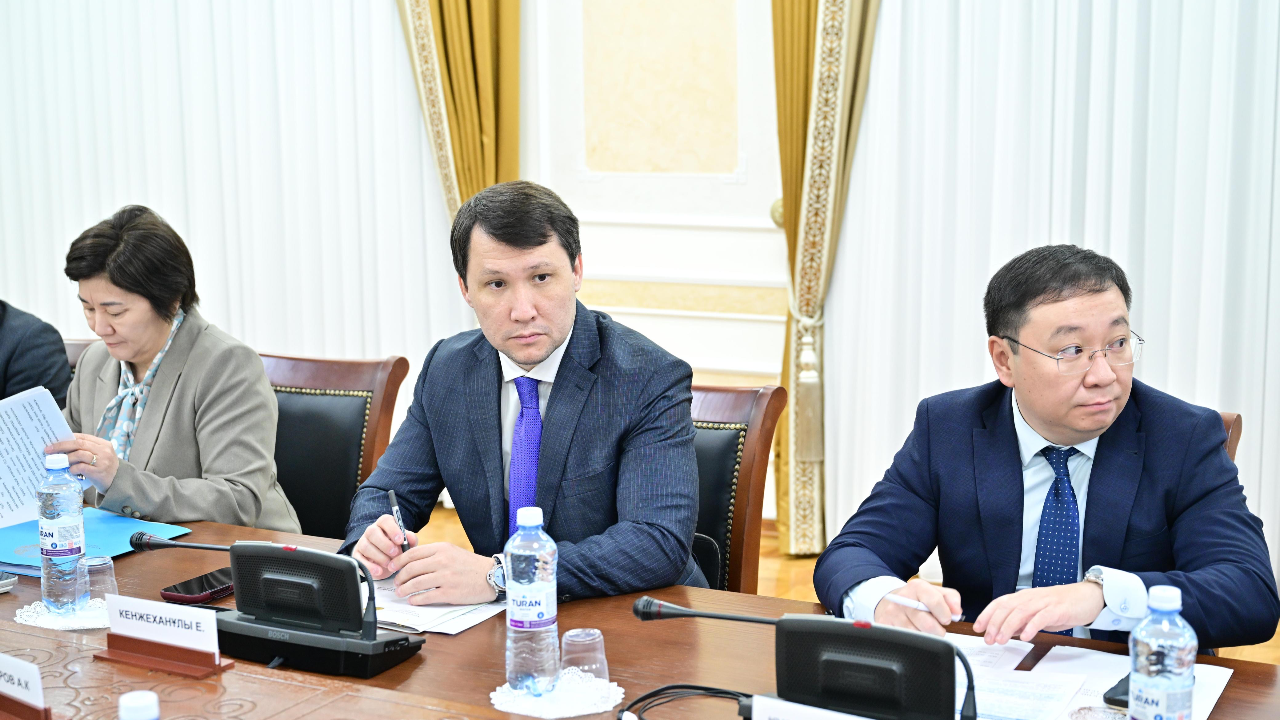
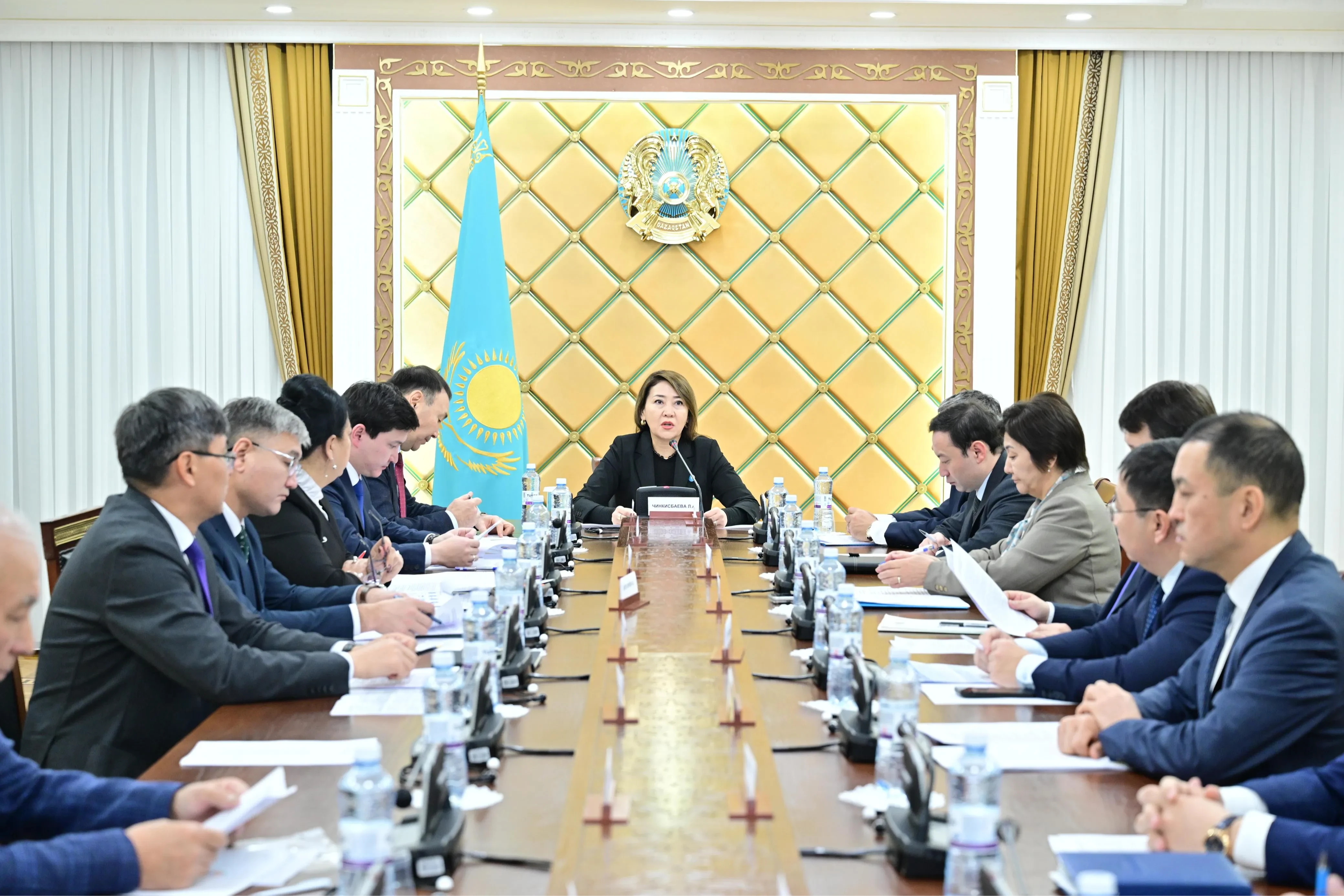
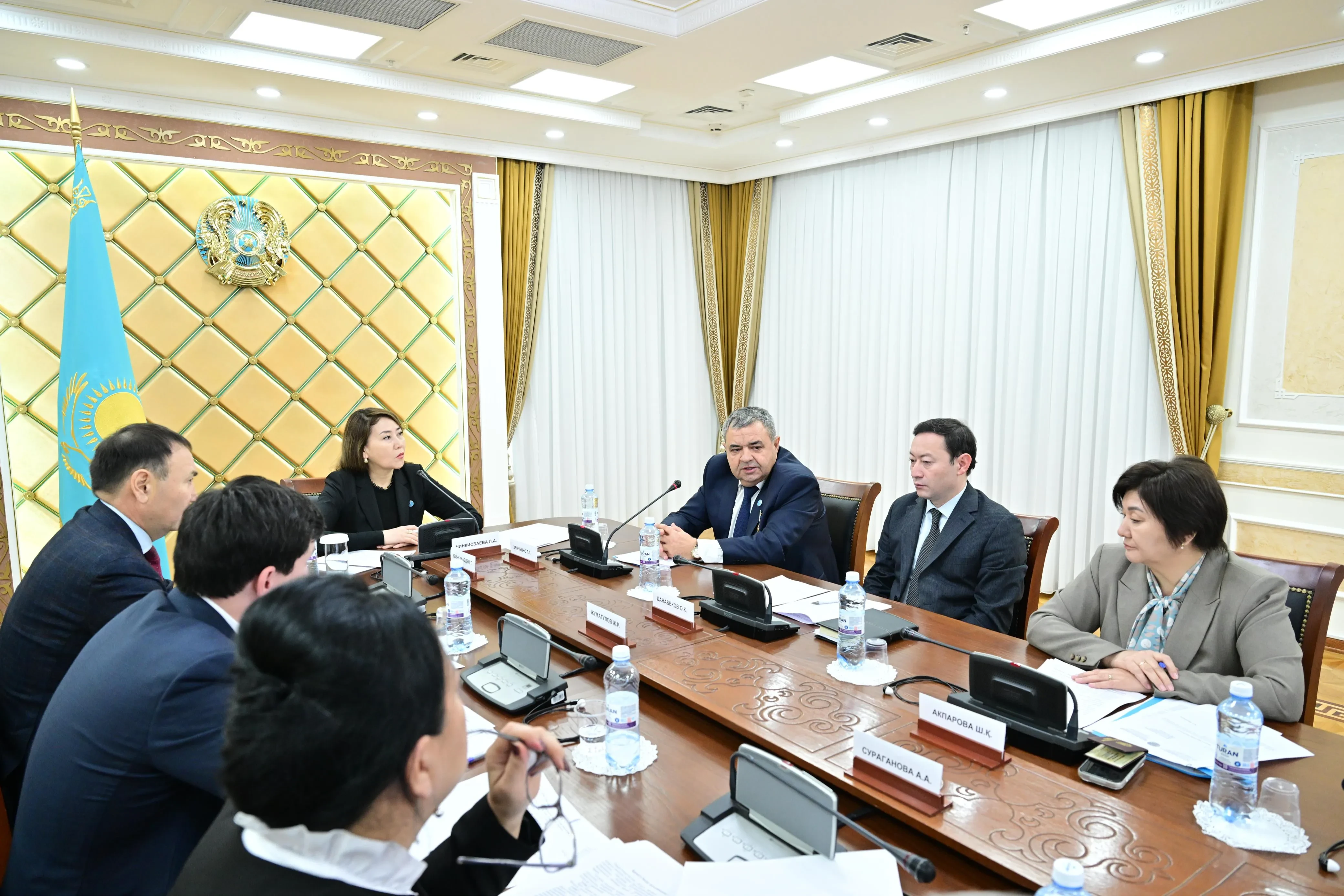
The Committee on Regional Development and Local Self-Government of the Qazaqstan Halyk Kenesi met to discuss how to address the labor shortage in the agro-industrial complex. The focus was a legislative initiative to create legal and practical mechanisms for a new education model built around agro classes. Participants included Halyk Kenesi, the deputy governor of North Kazakhstan Region, and deputy ministers from the ministries of education, science and higher education, agriculture, and labor and social protection.
Specialized classes for grades 10–11 are already running as pilots under the 2026–2030 Comprehensive Development Plan:
- Akmola Region: 7 classes in 3 schools
- Kostanay Region: agro classes and agro studios in 6 schools
- North Kazakhstan Region: 7 districts involved
Participants agreed that dual education, electives and courses are not enough. They argued for a norm enshrined in law, making agro education a full compulsory subject, which would raise students' sense of responsibility and motivation.
The scale of the problem is considerable. According to government figures, the AIC employs about 1.1 million people, 55% of them in blue-collar jobs, and will need roughly 73,000 more skilled workers by 2035. Experts note that over half of graduates of agricultural programs do not return to the village or work in their field.
Why it matters
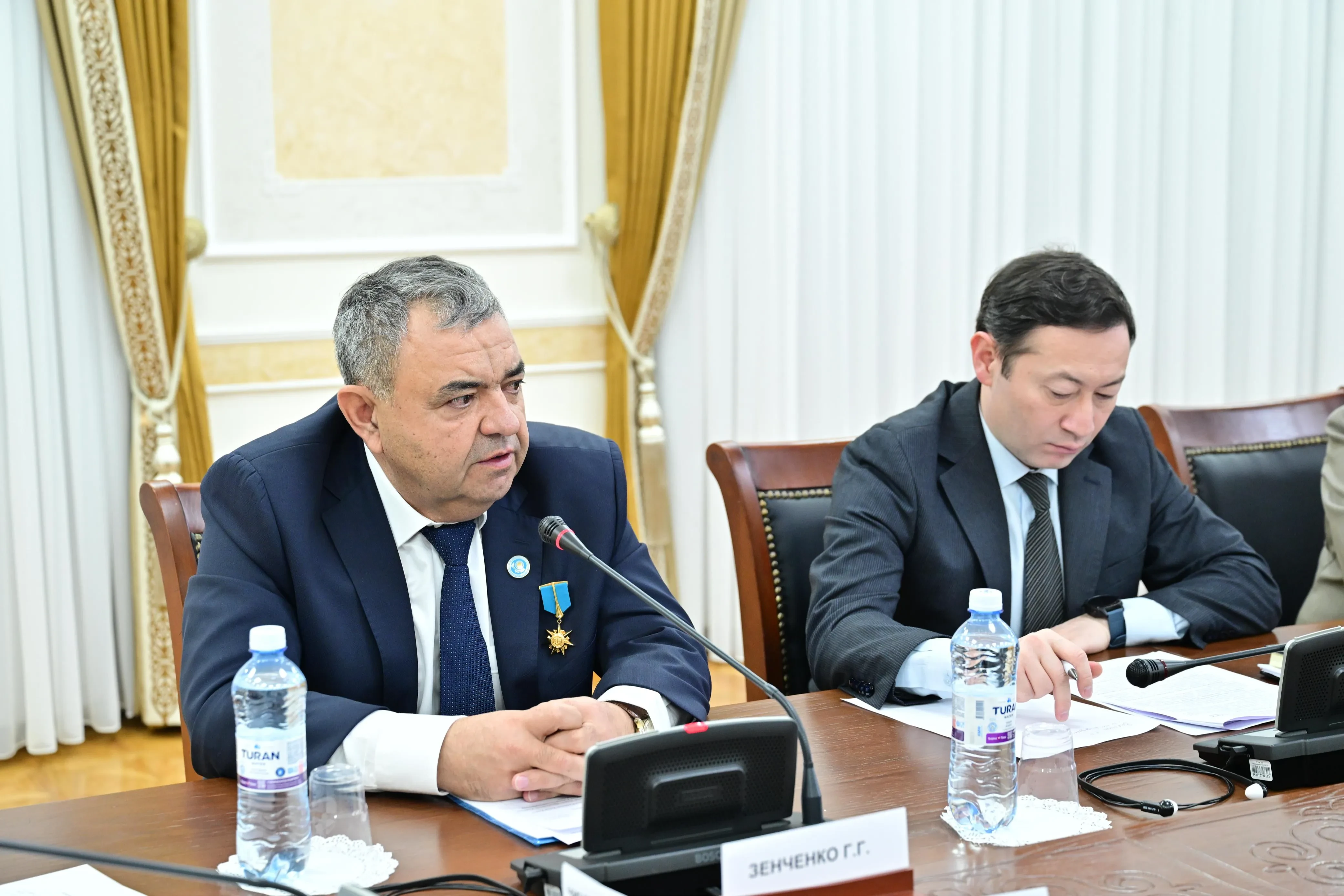
Initiative author Gennady Zenchenko, a Halyk Kenesi member and head of Zenchenko & Co., said rural students should gain practical skills and job-ready competencies alongside their general education. Beyond training, he said, work builds character and gives young people an understanding of a profession's value.
The group also discussed allowing teenagers to work at local enterprises, with strict age and labor safeguards. Rural parents are asking for this, hoping to pass work traditions to their children. Proposals to curb rural out-migration included better infrastructure, decent working conditions and a higher quality of life.
Positions of officials
North Kazakhstan's deputy governor, Zhussup Zhumagulov, proposed formalizing how documents and work qualifications are issued after practical training and assessment. Graduates are expected to receive:
- certificates confirming their education programs and trade qualifications;
- preferential admission to agricultural universities;
- an option to take a two-year "Automotive" course and obtain a driver's license along with the right to operate farm machinery.
First Vice Minister of Education Shynar Akparova said training should be based in colleges, together with universities and business, and called on the labor ministry to join. She noted that about 2,000 schoolchildren last year earned trade qualifications at colleges alongside school, leaving with both a certificate and a diploma.
Vice Minister Gulzat Kobenova described measures to ease access to agricultural universities, including special admission terms and targeted state grant quotas. Vice Minister of Agriculture Yermek Kenzhekhanuly stressed that the list of in-demand professions and internships must reflect real AIC needs, a point backed by Vice Minister of Labor Eldar Kuzenbayev.
Next steps
The meeting created an interagency working group led by Chinkisbayeva, including committee chair Tabigat Zeinulkabden, deputy ministers, regional governors and their deputies. It will draft amendments to regulations establishing a unified framework for agro classes, taking regional specifics into account, and submit them to the Kurultai. Other proposals voiced at the meeting will inform further work with government bodies and experts.

Last news
-
Kazakhstan's Kurultai Proposes Improvements to Science Funding Mechanisms
35 minutes ago
-
From School Desk to Farm: Kazakhstan Plans a Formal Path into Agricultural Careers
1 hour ago
-
Bulgaria Declares National Day of Mourning After Deadly 86-Car Highway Pileup Claims 12 Lives
7 hours ago
-
China’s Automation Shift: 100 million AI robots set to join the workforce
7 hours ago
-
Iranian Hacking Campaign Hits French Supermarkets and Blood Banks
1 day ago
-
Explosion at Major Turkish Steel Plant Leaves 16 Dead and 13 Injured
1 day ago
-
Mandatory Home Insurance Program for Natural Disasters under Consideration in Kazakhstan
1 day ago
-
Extreme Weather Alert Issued across 10 Regions of Kazakhstan
1 day ago
-
Qatar mediates talks between US and Iran as Qatari PM meets Donald Trump
2 days ago
-
TikTok Removes Nearly 15,000 Videos Daily in Kazakhstan
2 days ago
-
Foreign Internet Casinos Received 191 Billion Tenge: Criminal Case Sent to Court
2 days ago
-
Kazakhstan clinches third consecutive Asian Ice Hockey Championship title
2 days ago
-
Kazakhstan’s People’s Council Proposes Youth Movement with 126 Members
5 days ago
-
Mangystau Military Tragedy: Over 300 Questioned as Investigation Nears Completion
6 days ago
-
Passengers Briefly Denied Entry to Almaty Metro: Reason Revealed
6 days ago
-
Central Asia's Aviation Giants Expand Airspace: Flights Between Kazakhstan and Uzbekistan to Increase
6 days ago
-
5 Million Accounts Closed in Australia: Law Banning Social Media Access for Minors Challenged in Court
6 days ago
-
KazMunayGas Head Reveals How Many Years Kazakhstan’s Oil Reserves Will Last
1 week ago
-
Kazakhstan to Launch Flights to Vienna, New York, and Milan in 2027
1 week ago
-
Car Prices May Drop in Kazakhstan: Minister Explains Key Reasons
1 week ago
-
$14 Billion Infrastructure Drive: Where Kazakhstan’s National Fund Money Will Be Spent
1 week ago
-
Trump Announces End to Billions in U.S. Military Aid to Israel
1 week ago
-
Free prescription medications in Kazakhstan updated
1 week ago
-
Why salary increases focus on precinct doctors: Alnazarova explains
1 week ago
-
US, Russia, and Ukraine to gather in Abu Dhabi for peace talks
1 week ago
-
Timeline revealed for opening of three new airports in Kazakhstan
1 week ago
-
11 Major Kazakh Banks Face Audits Over Miscalculated Borrower Debt
1 week ago
-
Exercises Should Have Been Halted: Bektenov Names Key Failures Leading to the Death of 14 Soldiers
1 week ago
-
New Rules for Monitoring Mobile Transfers in Kazakhstan: Key Changes to Know
1 week ago
-
A Tiger Released into the Wild Again: Amur Begins Hunting Independently in Kazakhstan
1 week ago
-
US Court Halts Registration for DV-2027 Green Card Lottery
1 week ago
-
Young Kazakh Footballers Hospitalized in Tashkent Prompting Foreign Ministry Action
1 week ago
-
78 Healthcare Providers Revoked of Operating Licenses in Kazakhstan
1 week ago
-
Kazakhstan Expects Warmer Yet Volatile Weather in November
1 week ago
-
Kazakhstan Introduces New Entry Authorization and Corporate Debt Restrictions in November Policy Shift
1 week ago
-
Why Time Zone Changes During Travel Pose Hidden Health Risks
2 weeks ago
-
Requirements Air Astana Must Fulfill to Launch Direct Flights to the US
2 weeks ago
-
Apple Confirms Free Replacements for iPhone Duo Units Experiencing Screen Flaws
2 weeks ago
-
Why Kazakhstani Women Are Delaying Motherhood: Survey Findings
2 weeks ago
-
High Earners in Kazakhstan: Who Earns the Highest Salaries in the Country
2 weeks ago
-
Microsoft Offers Voluntary Buyouts to 60,000 Employees as It Pivots Heavily Toward AI Infrastructure
2 weeks ago
-
Sweden Bans Government Officials from Using ChatGPT and Claude Services
2 weeks ago
-
Unprecedented Purge: Trump Administration Cancels Over 300,000 Visas in Record Speed
3 weeks ago
-
Global Oil Surge: Brent Surpasses $110 Amid Middle East Supply Fears and Shrinking US Reserves
3 weeks ago
-
Europe’s Telecom Giants Form Alliance to Break Starlink’s Space Monopoly
3 weeks ago
-
Kyrgyz President Sadyr Japarov Meets with TURKPA Parliamentary Leaders
3 weeks ago
-
North Korean Leader Kim Jong Un Appears in Public Amid Health Rumors
3 weeks ago
-
Direct Flights Between Kazakhstan and the US Expected to Launch by 2027
3 weeks ago
-
Uzbekistan, United States Ink 54 Strategic Deals Totaling $12 Billion
3 weeks ago
-
Astana Airport to Test AI-Powered Passenger Verification
3 weeks ago