CIS Interparliamentary Assembly Adopts Model Law to Curb AI Abuse in Extremism
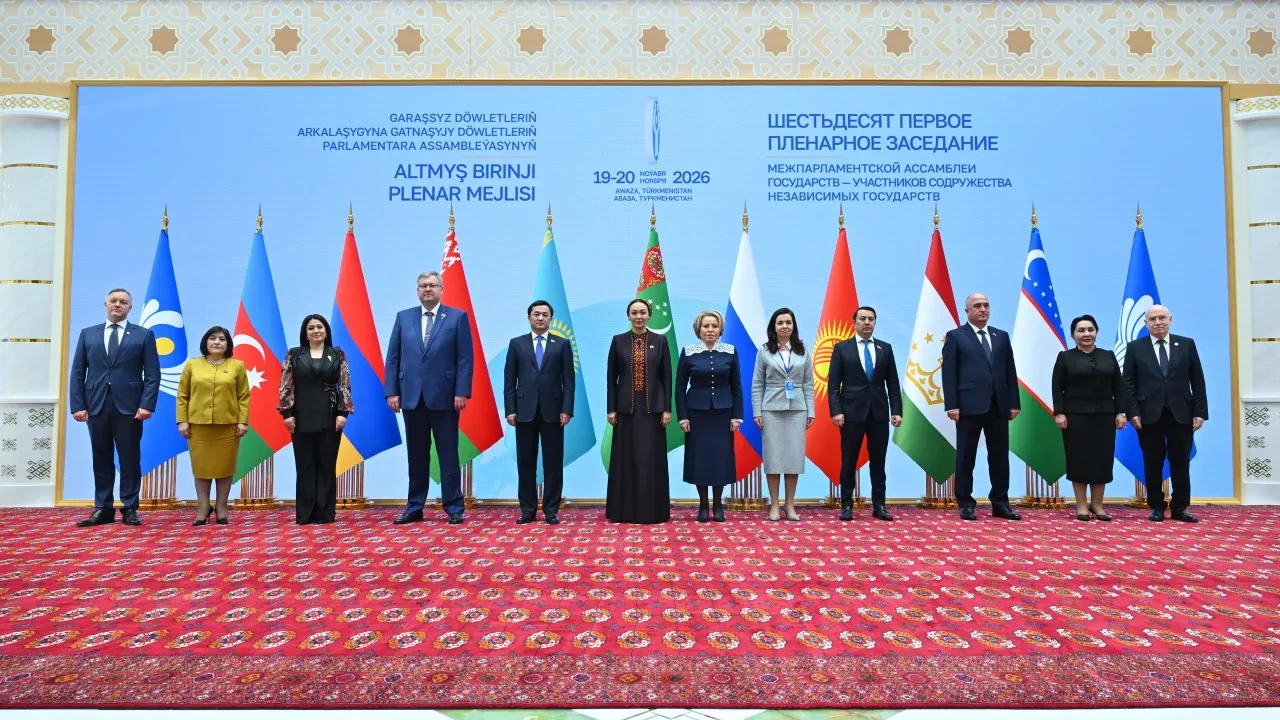 Photo Author: Zh. Zhumabekov
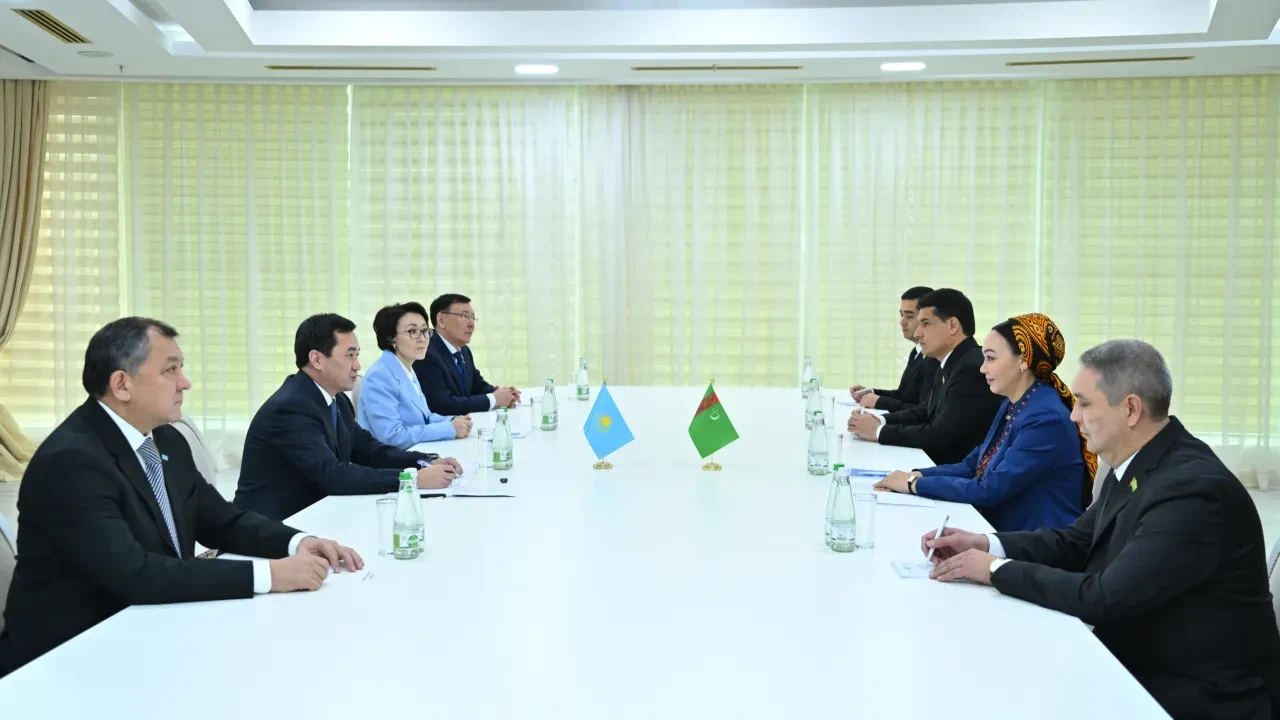
A delegation of Kazakhstan’s Kurultai, led by Chairman Aibek Dadebay, took part in the Council session and the 61st plenary meeting of the Interparliamentary Assembly of Member Nations of the Commonwealth of Independent States (IPA CIS), held on November 20 in the Avaza National Tourist Zone in Turkmenistan.
Addressing the plenary session, Dadebay noted that the signing of the Alma-Ata Declaration on December 21, 1991, proved to be a pivotal moment for all member states, establishing the CIS as a respected and influential regional organization on the global stage.
“Today, the CIS serves as a stable, unifying platform for advancing political dialogue, trade and economic ties, and multifaceted cultural and humanitarian cooperation among our nations. The parliamentary dimension plays a vital role in strengthening the Commonwealth’s institutional foundation and lending legal resilience to integration processes. The Kurultai of the Republic of Kazakhstan remains committed to constructive engagement with our CIS partners,” Aibek Dadebay emphasized.
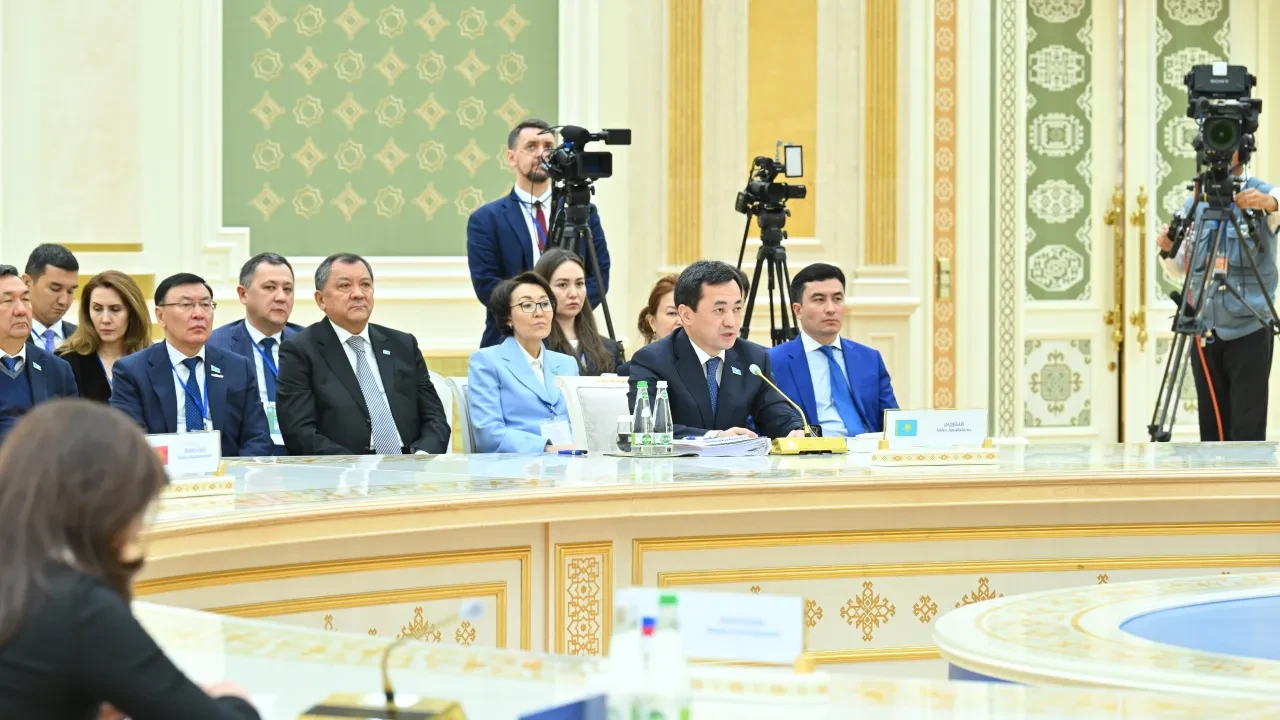
During his remarks, the Kurultai Chairman briefed fellow lawmakers on the sweeping political modernization underway in Kazakhstan at the initiative of President Kassym-Jomart Tokayev. He noted that society has rallied around the vision of building a Just, Strong, Clean, and Progressive Kazakhstan anchored by the principle of “Law and Order,” unity, and social harmony. Following a nationwide referendum, the country adopted a new Constitution, established the office of Vice President, launched the Qazaqstan Khalyq Kenesi (People’s Council of Kazakhstan), and formed a unicameral Kurultai comprising representatives from five political parties—putting the formula “Strong President – Influential Kurultai – Accountable Government” into practice.
Highlighting key takeaways from the President’s recent State of the Nation Address and the country’s progress over the past seven years, Dadebay cited International Monetary Fund projections indicating that Kazakhstan’s GDP will approach $400 billion in 2026, with GDP per capita reaching $19,000. He also noted that 2027 has been declared the Year of Nationwide Large-Scale Construction, which will see the development of roads, airports, railway stations, healthcare facilities, and other social infrastructure across all regions. Furthermore, between 2019 and 2025, Kazakhstan attracted $155.8 billion in foreign direct investment and launched 625 industrial enterprises, laying a solid groundwork for future transformation.
Looking ahead to new avenues of regional cooperation, Dadebay recalled President Tokayev’s proposal at the October 9 CIS Heads of State Council meeting in Avaza to draft a CIS Development Strategy through 2035. According to the Speaker, the document should reflect the Interparliamentary Assembly’s role as an effective mechanism for harmonizing national laws and deepening parliamentary ties.
On transport and logistics, the Kazakh delegation pointed to the Concept for Connecting Main Transport Arteries, initiated by President Tokayev and adopted by CIS heads of government in May. A central pillar of this framework is creating a “single digital corridor” featuring digitized freight operations, electronic document flow, and streamlined border procedures. Dadebay urged the Assembly to provide legislative backing to unlock the CIS’s transit potential.
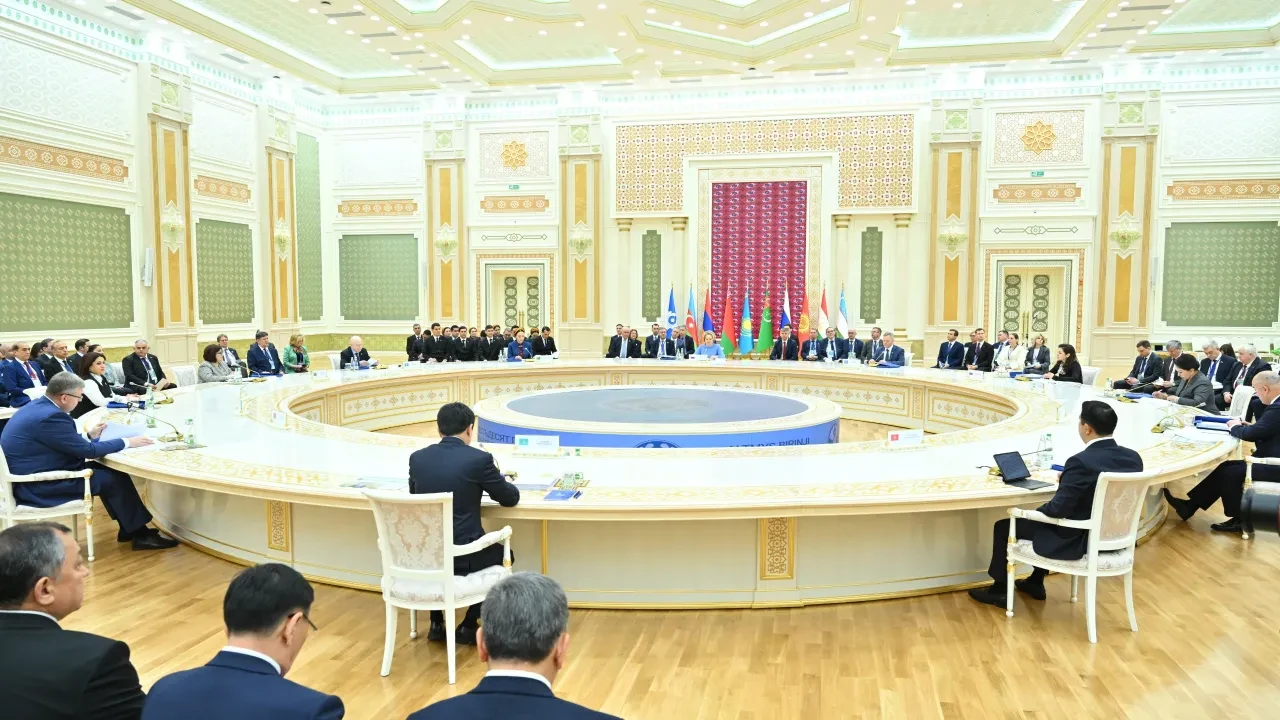
Turning to the session’s core agenda, the Kurultai Chairman stressed the need for coordinated migration policies and digital migration management tools across the Commonwealth. He paid particular attention to legislative safeguards against the use of artificial intelligence and emerging technologies by terrorist and extremist groups, noting that laws must anticipate technological risks while balancing national security, innovation, and human rights. Other priorities raised included removing trade and administrative barriers, boosting investment cooperation, and ensuring the sustainable management of transboundary water resources.
At the conclusion of the plenary session, lawmakers adopted an updated Concept of a Common Migration Space, a model law “On Countering the Use of Artificial Intelligence and Robotics for Terrorist and Extremist Purposes,” along with several other model laws and recommendations.
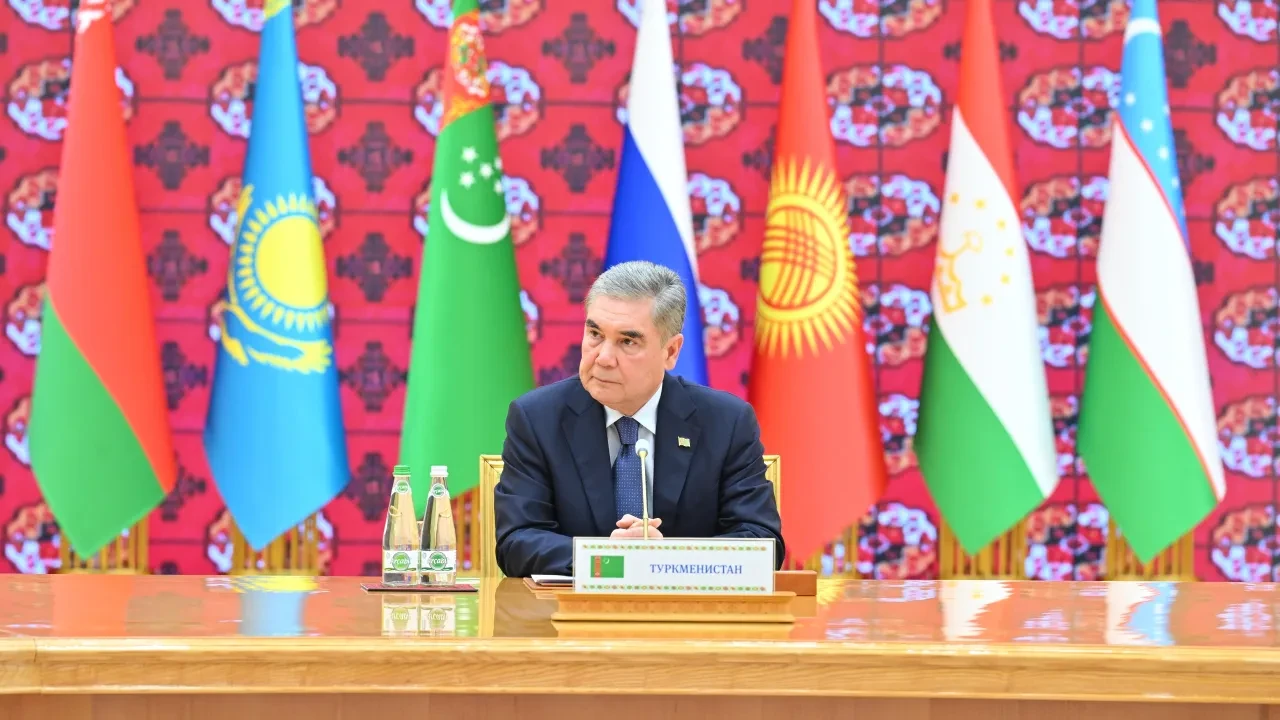
A day earlier, on November 19, Aibek Dadebay attended the IPA CIS Council meeting, where he thanked Assembly observers for their work during the Kurultai parliamentary elections. On the sidelines of the forum, heads of the IPA CIS delegations met with the Chairman of the Halk Maslahaty of Turkmenistan, Gurbanguly Berdimuhamedov. Dadebay also held bilateral talks with the Chairwoman of the Mejlis of Turkmenistan, Dunyagozel Gulmanova, focusing on strengthening interparliamentary dialogue and implementing agreements reached by the two countries' leaders.
Additionally, Kurultai deputies participated in meetings of the IPA CIS Permanent Commissions on Political Issues and International Cooperation, as well as Legal Issues. Established on March 27, 1992, in Almaty, the IPA CIS brings together Kazakhstan, Azerbaijan, Armenia, Belarus, Kyrgyzstan, Russia, Tajikistan, and Uzbekistan.

Last news
-
10 theaters of Kazakhstan presented their performances at ALMATY THEATER FEST
1 day ago
-
CIS Interparliamentary Assembly Adopts Model Law to Curb AI Abuse in Extremism
2 days ago
-
Instagram Rolls Out Long-Awaited Feature: Edit Live Stories Without Losing Views
2 days ago
-
Aircraft Parking Fees at Astana Airport Could Jump Twentyfold
2 days ago
-
Are Kazakhstanis Overpaying for Flights? Airfare Pricing Under Scrutiny
1 week ago
-
Roads in Astana Closed Until Evening: Urgent Warning Issued to Residents
1 week ago
-
Pension Contributions for Mothers on Maternity Leave to Drop by 60%
1 week ago
-
Revenue Tops a Billion, Yet Profits Drop: Air Astana Ends Nine Months in the Red
1 week ago
-
Revenue Tops a Billion, Yet Profits Drop: Air Astana Ends Nine Months in the Red
1 week ago
-
The silent destroyer of the body: Almaty doctors name dangerous symptoms of diabetes
1 week ago
-
Is Kazakhstan really second in the world in divorce rates?
1 week ago
-
Surging Housing Costs Spark Nationwide Unrest: Spain Sees Largest Strike in 14 Years
1 week ago
-
Kazakhstan's Kurultai Proposes Improvements to Science Funding Mechanisms
1 week ago
-
From School Desk to Farm: Kazakhstan Plans a Formal Path into Agricultural Careers
1 week ago
-
Bulgaria Declares National Day of Mourning After Deadly 86-Car Highway Pileup Claims 12 Lives
1 week ago
-
China’s Automation Shift: 100 million AI robots set to join the workforce
1 week ago
-
Iranian Hacking Campaign Hits French Supermarkets and Blood Banks
1 week ago
-
Explosion at Major Turkish Steel Plant Leaves 16 Dead and 13 Injured
1 week ago
-
Mandatory Home Insurance Program for Natural Disasters under Consideration in Kazakhstan
1 week ago
-
Extreme Weather Alert Issued across 10 Regions of Kazakhstan
1 week ago
-
Qatar mediates talks between US and Iran as Qatari PM meets Donald Trump
1 week ago
-
TikTok Removes Nearly 15,000 Videos Daily in Kazakhstan
1 week ago
-
Foreign Internet Casinos Received 191 Billion Tenge: Criminal Case Sent to Court
1 week ago
-
Kazakhstan clinches third consecutive Asian Ice Hockey Championship title
1 week ago
-
Kazakhstan’s People’s Council Proposes Youth Movement with 126 Members
2 weeks ago
-
Mangystau Military Tragedy: Over 300 Questioned as Investigation Nears Completion
2 weeks ago
-
Passengers Briefly Denied Entry to Almaty Metro: Reason Revealed
2 weeks ago
-
Central Asia's Aviation Giants Expand Airspace: Flights Between Kazakhstan and Uzbekistan to Increase
2 weeks ago
-
5 Million Accounts Closed in Australia: Law Banning Social Media Access for Minors Challenged in Court
2 weeks ago
-
KazMunayGas Head Reveals How Many Years Kazakhstan’s Oil Reserves Will Last
2 weeks ago
-
Kazakhstan to Launch Flights to Vienna, New York, and Milan in 2027
2 weeks ago
-
Car Prices May Drop in Kazakhstan: Minister Explains Key Reasons
2 weeks ago
-
$14 Billion Infrastructure Drive: Where Kazakhstan’s National Fund Money Will Be Spent
2 weeks ago
-
Trump Announces End to Billions in U.S. Military Aid to Israel
2 weeks ago
-
Free prescription medications in Kazakhstan updated
2 weeks ago
-
Why salary increases focus on precinct doctors: Alnazarova explains
2 weeks ago
-
US, Russia, and Ukraine to gather in Abu Dhabi for peace talks
2 weeks ago
-
Timeline revealed for opening of three new airports in Kazakhstan
2 weeks ago
-
11 Major Kazakh Banks Face Audits Over Miscalculated Borrower Debt
2 weeks ago
-
Exercises Should Have Been Halted: Bektenov Names Key Failures Leading to the Death of 14 Soldiers
2 weeks ago
-
New Rules for Monitoring Mobile Transfers in Kazakhstan: Key Changes to Know
2 weeks ago
-
A Tiger Released into the Wild Again: Amur Begins Hunting Independently in Kazakhstan
2 weeks ago
-
US Court Halts Registration for DV-2027 Green Card Lottery
2 weeks ago
-
Young Kazakh Footballers Hospitalized in Tashkent Prompting Foreign Ministry Action
2 weeks ago
-
78 Healthcare Providers Revoked of Operating Licenses in Kazakhstan
2 weeks ago
-
Kazakhstan Expects Warmer Yet Volatile Weather in November
2 weeks ago
-
Kazakhstan Introduces New Entry Authorization and Corporate Debt Restrictions in November Policy Shift
2 weeks ago
-
Why Time Zone Changes During Travel Pose Hidden Health Risks
3 weeks ago
-
Requirements Air Astana Must Fulfill to Launch Direct Flights to the US
3 weeks ago
-
Apple Confirms Free Replacements for iPhone Duo Units Experiencing Screen Flaws
3 weeks ago